
Commercial Window Film
Anti-Graffiti Film for Storefronts & Commercial Glass
A sacrificial layer that takes the damage so your glass doesn't have to — remove vandalism in minutes, not a full glass replacement.
Everything You Need to Know
Click any section below to jump straight to what you need.
How It Works
The sacrificial-layer concept, explained plainly.
Jump to Section 02Who Needs It
The properties that get tagged most often.
Jump to Section 03Types of Film
Standard, solar-combined, and security-combined.
Jump to Section 04Installation & Replacement
Install, damage response, and maintenance.
Jump to Section 05FAQs
Straight answers for property managers.
Jump to SectionHow Anti-Graffiti Film Works
One clear layer standing between a vandal and your glass replacement invoice.
Anti-graffiti film is a clear, removable layer applied over glass, mirrors, or metal surfaces. It's optically neutral — from the sidewalk, nobody can tell it's there.
When someone scratches, etches, or tags the surface, they're damaging the film — not the underlying glass. The substrate underneath stays untouched, which is the whole design intent: the film is meant to be destroyed.
Damaged film is then cut away and replaced at a fraction of the cost of full glass replacement, and most jobs take under an hour per panel. A tagged storefront can be back to clear the same morning rather than waiting weeks on a custom glass order.
Product construction and performance standards for architectural films are maintained by the International Window Film Association, the industry's standards body for film products.
Who Needs Anti-Graffiti Film
The properties where sacrificial film pays for itself fastest.
Storefronts & Retail
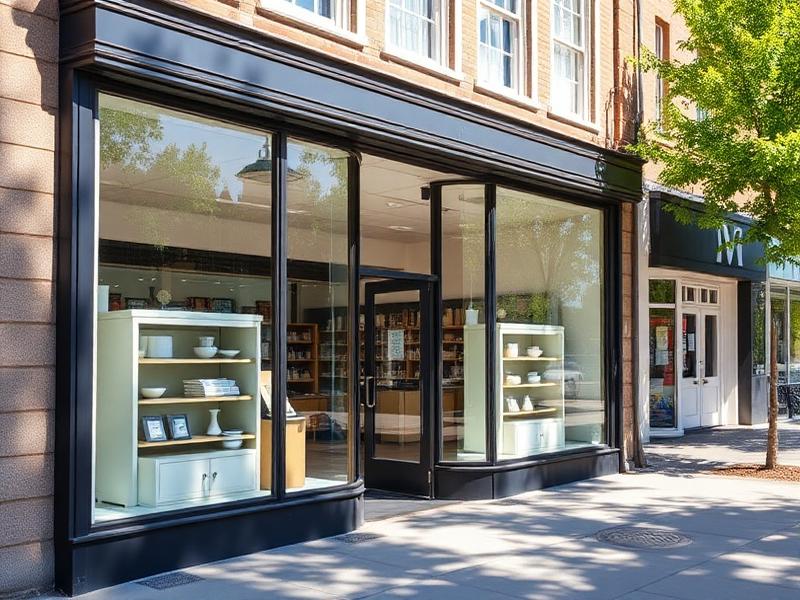
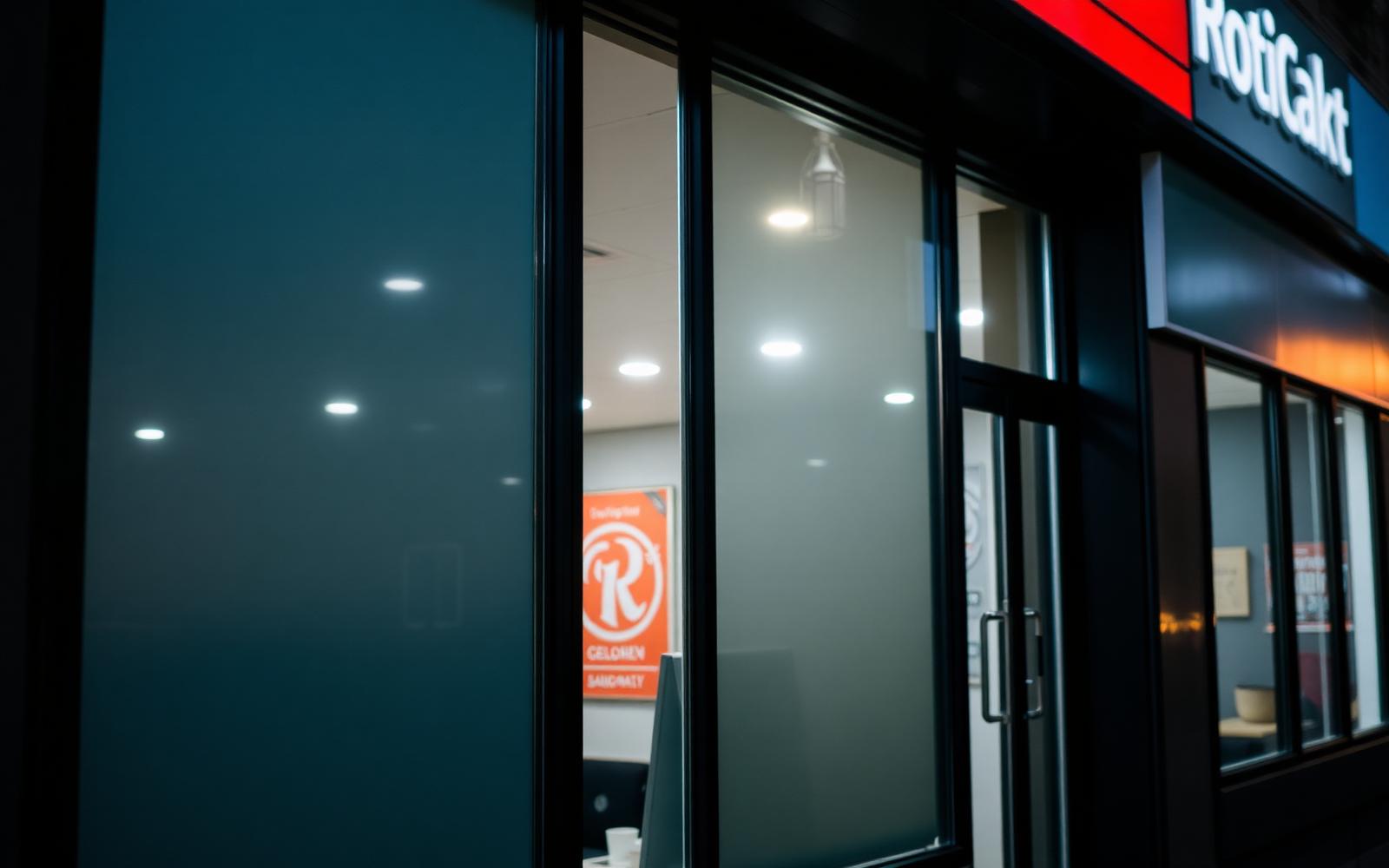
Street-level glass is the single most common vandalism target — visible, reachable, and unattended overnight. Film absorbs the scratching and etching that would otherwise mean a full storefront pane replacement.
Get a Free Quote
Transit-Adjacent & High-Foot-Traffic
Properties near rail stops, bus corridors, and nightlife districts see repeat tagging. Anti-graffiti film turns a recurring capital expense into a routine, low-cost maintenance item.
Get a Free Quote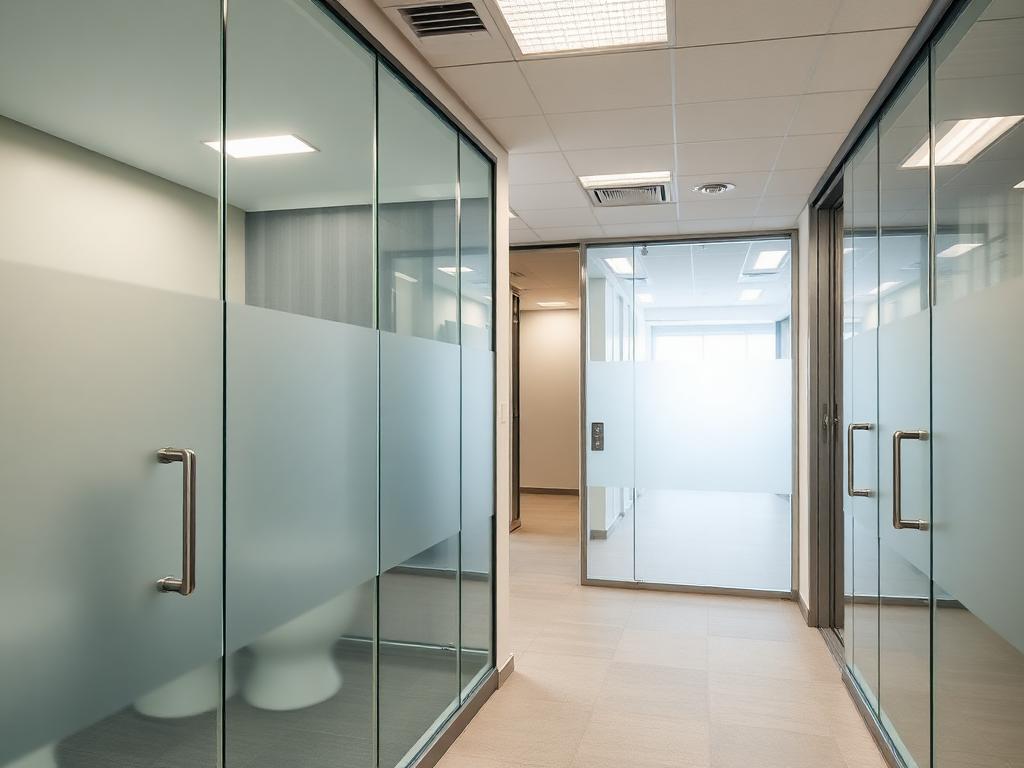
Restrooms & Elevator Interiors
Vandalism isn't limited to windows. Mirrors, stainless elevator panels, and metal partitions all accept sacrificial film, and those interior surfaces are often the most frequently damaged in a building.
Get a Free Quote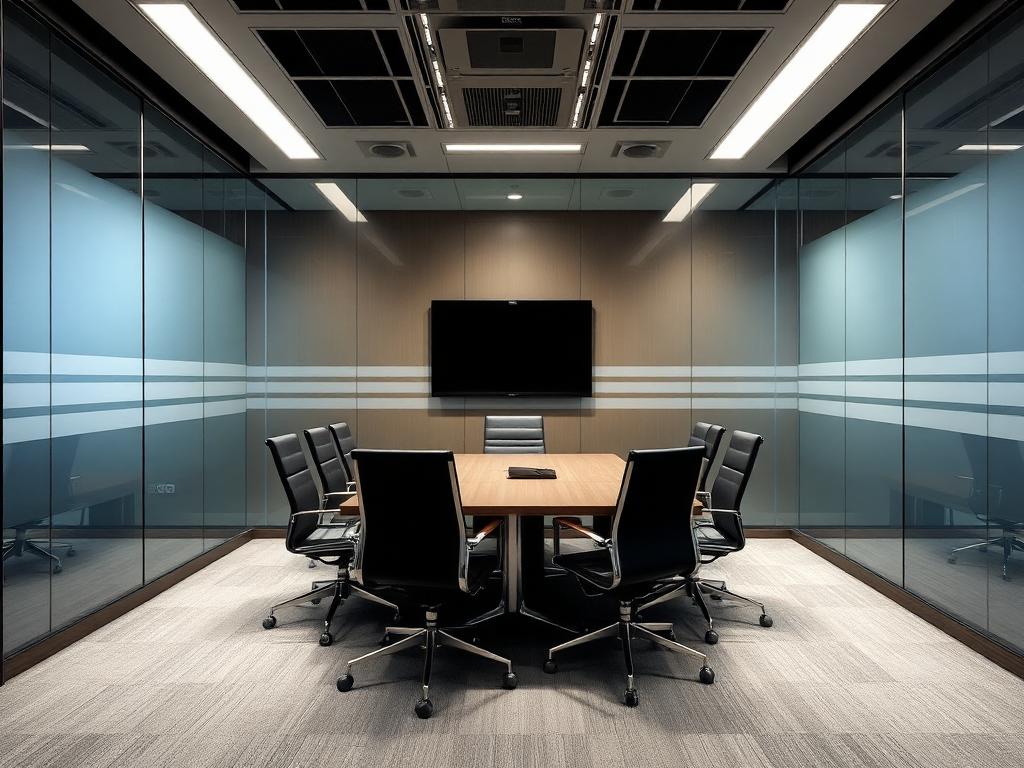
Property Managers with Repeat History
If the same panes get hit two or three times a year, replacement cost compounds fast. Film puts a predictable, budgetable ceiling on what each incident costs you.
Get a Free QuoteTypes of Anti-Graffiti Film
Three tiers, matched to your risk level and whatever else your glass needs to do.
Standard Anti-Graffiti
A clear, optically neutral sacrificial layer with basic scratch and etch protection. Budget-friendly and the right call for lower-risk locations, interior mirrors, and back-of-house glass.
Anti-Graffiti + Solar
Combines vandalism protection with heat and UV rejection, so a single install handles both tagging and solar heat gain. Specified from the same product families we use for commercial window tinting.
Anti-Graffiti + Security
Pairs the sacrificial surface with an impact-resistant substrate for high-risk storefronts facing both vandalism and smash-and-grab exposure. See retail storefront security film for how the security layer performs.
Installation & Replacement Process
Four steps — including what actually happens the morning after a tagging.
Surface Assessment & Cleaning
We identify the substrate — glass, mirror, or metal — check for existing etching, and fully decontaminate the surface. Film applied over residue will lift at the edges within months.
Precision Application
Film is cut to the exact daylight opening or panel edge and laid so the sacrificial layer sits flush with no lifted corners for a vandal to pick at.
Damage Response
When a panel is tagged or etched, technicians cut away and replace only the affected section — not the whole install. Most panels are back to clear in under an hour.
Ongoing Maintenance Plans
Optional scheduled inspection and replacement for high-traffic properties, so damaged film gets swapped on a predictable cycle instead of sitting visible for weeks.
FAQs
Anti-Graffiti Film Questions
What is anti-graffiti film made of?
It's a clear, multi-layer polyester film with a hardened, abrasion-resistant top coat and a removable adhesive system designed to release cleanly from glass, mirror, and metal. Product construction and performance standards for architectural film are maintained through the International Window Film Association.
How is it different from regular security or solar film?
Different job. Solar film manages heat and UV; security film manages impact and glass retention. Anti-graffiti film is sacrificial — it's meant to be damaged and removed. It's thinner, uses a release-friendly adhesive, and is priced to be replaced repeatedly.
Can it be applied to mirrors and metal, not just glass?
Yes. Restroom mirrors, elevator interiors, stainless panels, and metal partitions are all common applications — often the highest-frequency vandalism surfaces in a commercial building.
How long does replacement take after vandalism?
Most single panels are stripped and re-filmed in under an hour. Larger storefront runs are typically same-day. We only replace the affected section, so cost and downtime scale with the damage, not the size of the original install.
Does it protect against acid etching, not just scratching?
Anti-graffiti films are formulated to resist common acid-etch and paint attacks so the damage stays in the film rather than reaching the glass. Severe or prolonged chemical attack can still mark the substrate, which is why we assess exposure and recommend a film grade to match the risk level on your property.
How often does it need to be replaced?
Only when it's damaged. Undamaged anti-graffiti film has a long service life on interior applications; on a repeat-target storefront, expect replacement as an incident-driven maintenance item rather than on a fixed schedule.
Can it be combined with solar or security film on the same glass?
Yes — that's the point of the combined tiers. We can apply a sacrificial layer over an existing solar or security install, or spec a single combined product. We'll confirm compatibility with your current film and glass makeup during the on-site assessment.
Related Commercial Services
Stop Paying for Glass Replacement
Free on-site assessment and written proposal across Orange County and Los Angeles County.