
Commercial Window Film
Window Film for Government Buildings
Security, energy efficiency, and privacy solutions for municipal, county, and federal facilities across Southern California.
Everything You Need to Know
Click any section below to jump straight to what you need.
Why Government Facilities Choose Film
Retrofit answers to public-sector pressures.
Jump to Section 02Security & Blast Mitigation Standards
GSA TS01-2003 and ASTM F1642, scoped honestly.
Jump to Section 03Energy & Privacy Benefits
Four outcomes for public facilities.
Jump to Section 04Film Options
Solar, security, and privacy tiers.
Jump to Section 05FAQs
Answers for facilities and procurement teams.
Jump to SectionWhy Government Facilities Choose Film
A retrofit answer to problems that would otherwise need capital construction.
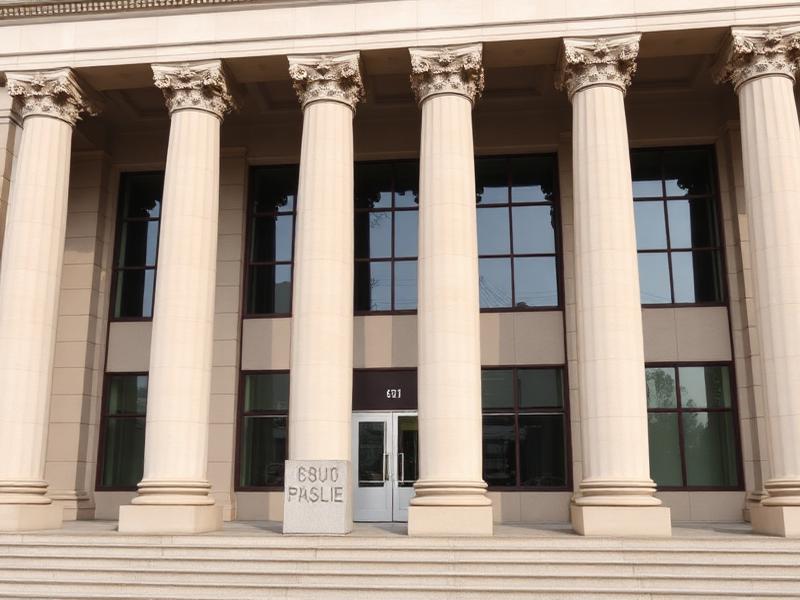
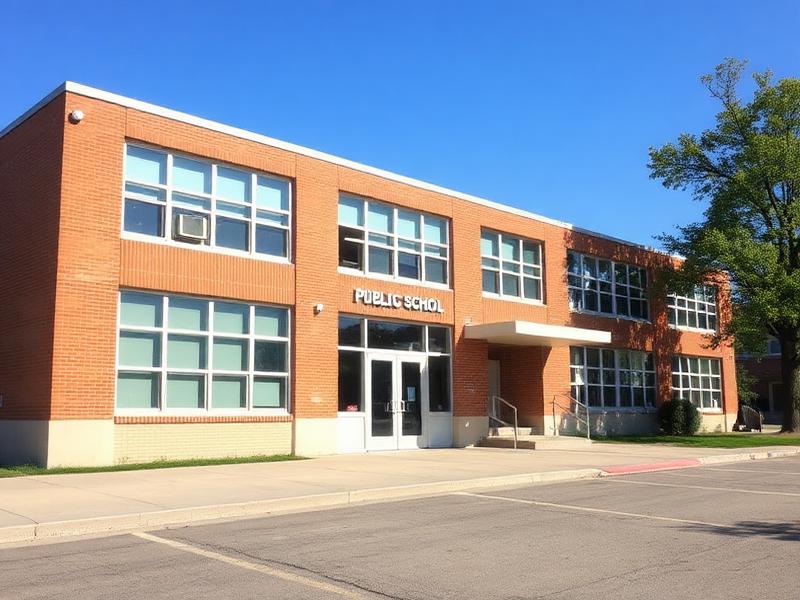
Government buildings — courthouses, city halls, DMV offices, county administration buildings — face a mix of pressures most commercial properties don't: public access requirements, heightened security scrutiny, aging glazing in older municipal buildings, and tight facility budgets that make full window replacement impractical.
Window film addresses several of these at once: security hardening, solar control, and privacy, all as a retrofit rather than a capital construction project. Nothing is demolished, no glazing is replaced, and the building stays in service throughout.
For a facilities director choosing between a seven-figure reglazing project and a phased film program that can be funded out of an operating budget, that distinction is usually the whole decision.
Security & Blast Mitigation Standards
What the federal benchmarks actually require — and who they actually apply to.
Federal facilities are required to meet General Services Administration (GSA) security glazing standards, most commonly referenced as GSA TS01-2003, alongside ASTM F1642, the industry test standard for how a full glazing system — glass, film, and frame together — performs under blast or forced-entry loading.
These are federal requirements, not automatically mandatory for county or municipal buildings, but many local government facilities voluntarily reference the same standards when specifying security upgrades, since they represent the most rigorous, independently tested benchmark available.
Meeting this level of performance requires more than film alone — the attachment system (wet-glaze or mechanical anchoring at the frame) is as critical to real-world performance as the film thickness itself. Unanchored film on a strong frame will still exit the opening as a sheet under load.
Security and blast-mitigation film significantly improves a glazing system's performance under forced entry or blast pressure — it does not make a building's windows bulletproof or blast-proof at any specification level.
Energy & Privacy Benefits
Four outcomes public facilities consistently see after installation.
Reduced Energy Costs on Aging HVAC
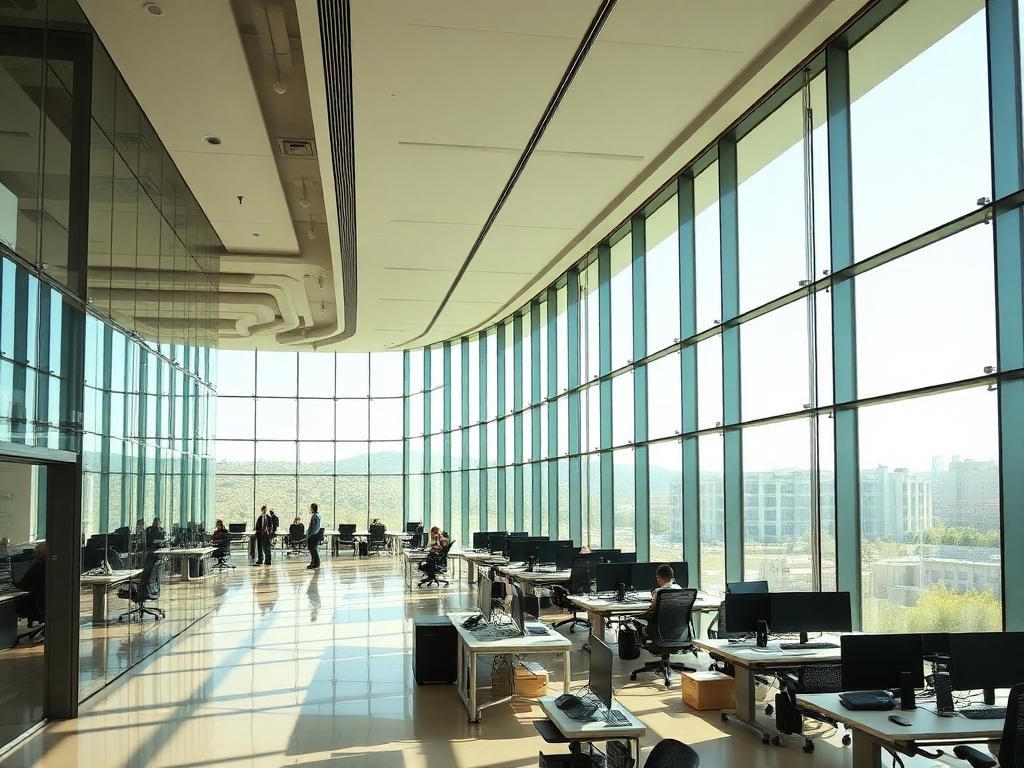
Many municipal buildings run older mechanical systems with little headroom left. Cutting solar heat gain at the glass has an outsized impact when the plant behind it is already working at its limit.
Get a Free Quote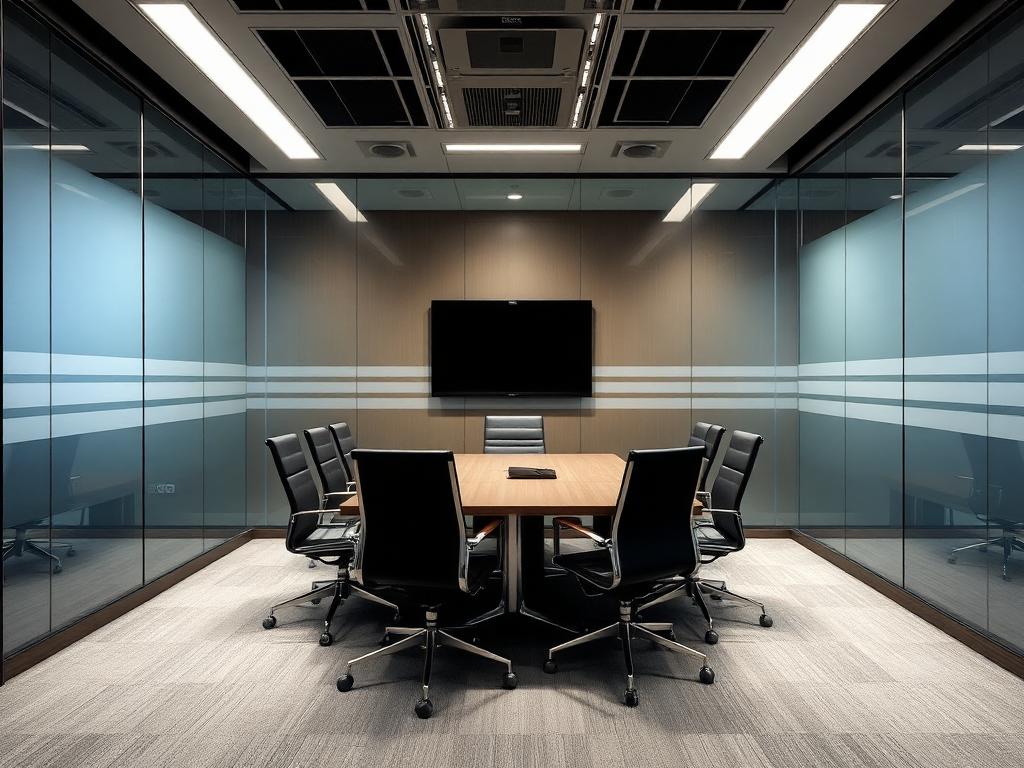
Public Records & Office Privacy
Daytime privacy film on administrative offices, HR spaces, and records rooms keeps confidential work unobservable from corridors and exterior sightlines — without blinds or construction.
Get a Free Quote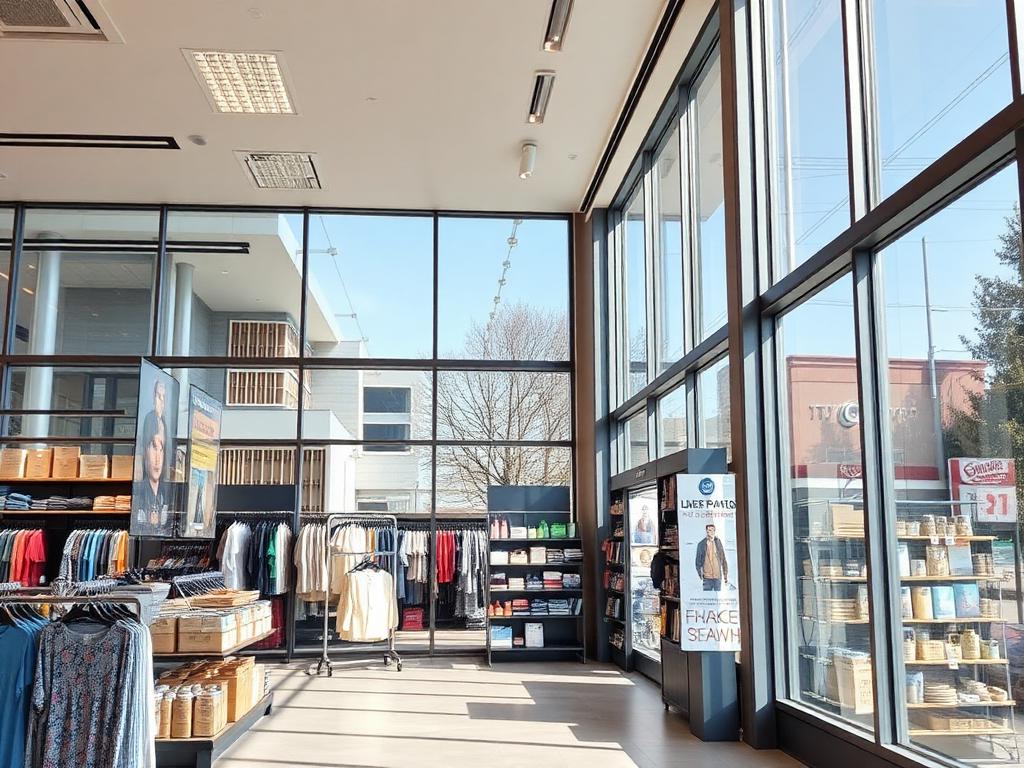
UV Protection for Records & Displays
Blocks up to 99.9% of UV, protecting archived documents, historic displays, artwork, and public exhibit materials from the cumulative fading that daylight exposure causes.
Get a Free Quote
Reduced Glare at Service Counters
Kills screen washout at public-facing service counters and keeps waiting areas comfortable — a small change that measurably improves both staff conditions and the visitor experience.
Get a Free QuoteFilm Options
Three specifications, commonly phased across different areas of one facility.
Standard Solar Control
Spectrally selective and nano-ceramic film for heat, glare, and UV control across offices, corridors, and public areas. Same product families as our commercial window tinting.
Security & Forced-Entry Delay
Thicker, frame-anchored film for ground-floor, entry, and street-facing glazing. See retail storefront security film for how the anchoring system determines real-world performance.
Privacy Film for Administrative Offices
Frosted, gradient, and banded film for records offices, interview rooms, and administrative partitions — including custom cut work through office privacy & frosted graphics.
FAQs
Government Building Film Questions
Do all government buildings need to meet GSA blast standards?
No. GSA security glazing standards apply to federal facilities. County and municipal buildings are not automatically bound by them, though many voluntarily reference the same standards when specifying security upgrades because they're the most rigorously tested benchmark available. Your actual requirement comes from your agency's own security assessment and any applicable state or local policy.
Can this be specified as part of a public bid or RFP process?
Yes. We routinely provide itemized scope of work, product data sheets, manufacturer test documentation, attachment system specifications, and warranty terms in the format a bid package requires. We can also supply performance specs written to be manufacturer-neutral where a solicitation requires open competition.
How does installation work around public building hours?
Work is scheduled after-hours, on weekends, or in phased sections so public service isn't interrupted. We deliver a written sequencing schedule by floor and elevation with the proposal, and coordinate badging, escort, and site access requirements ahead of mobilization.
Is this suitable for historic municipal buildings?
Often, but it requires assessment. Older annealed and single-pane glazing has different thermal stress tolerances than modern glass, and historic buildings may carry preservation review requirements. We survey the glass makeup on site and only spec within manufacturer guidelines and applicable preservation constraints.
Does film help with energy costs in older buildings?
Typically more than in new ones. Newer facilities often already have high-performance glazing, so the incremental gain is smaller. An older building with clear single-pane or early dual-pane glass and an aging chiller is where rejecting solar heat at the glass produces the most noticeable relief on cooling demand.
What's the difference between security film and true blast-resistant glazing?
Security film improves the performance of glazing you already have — it holds fragments together and slows forced entry. Certified blast-resistant glazing is an engineered assembly of glass, framing, and anchorage designed and tested as a unit to a specified blast load. Film upgrades a system; it isn't equivalent to replacing that system with a certified blast-resistant one.
Can you provide documentation for facility security assessments?
Yes. We provide product specifications, manufacturer test reports, attachment system details, and installation documentation your security assessor or facility engineer can evaluate directly. We don't perform the assessment itself — we make sure whoever does has complete vendor-side data.
Related Commercial Services

Spec Film for Your Facility
Free on-site assessment, glazing survey, and bid-ready written documentation across Orange County and Los Angeles County.