

Residential Window Film
Decorative & Privacy Window Film for Your Home
Frosted, patterned, and custom film that adds privacy and style to any glass surface — without losing natural light.
Everything You Need to Know
Click any section below to jump straight to what you need.
Types of Film
Frosted, patterned, colored, and custom.
Jump to Section 02Room-by-Room Guide
The right film for every space.
Jump to Section 03Day vs. Night Privacy
The distinction most homeowners miss.
Jump to Section 04Choosing the Right VLT
Balance brightness against privacy.
Jump to Section 05HOA Considerations
What communities typically restrict.
Jump to Section 06Installation & Care
Prep, cleaning, and realistic lifespan.
Jump to Section 07FAQs
Straight answers to common questions.
Jump to SectionTypes of Decorative & Privacy Film
Four families of film cover nearly every residential application.
Frosted & Etched Privacy Film
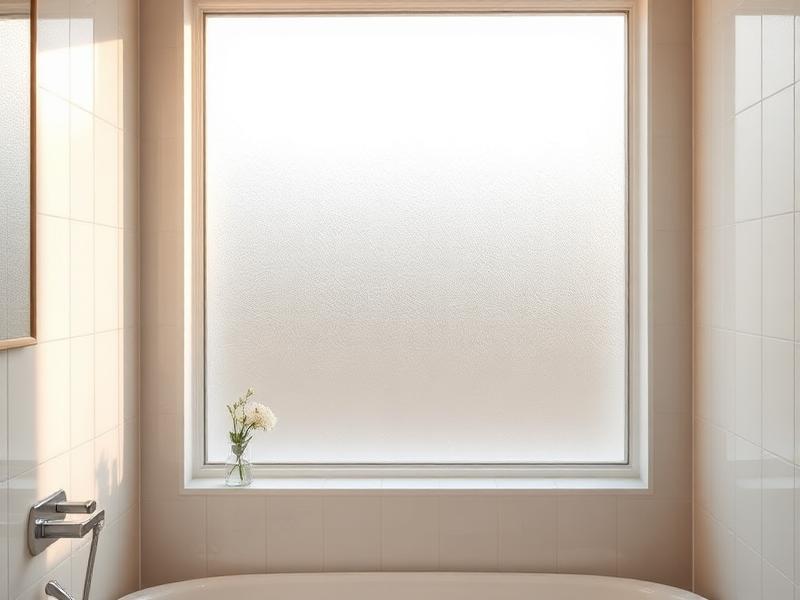
Obscures visibility while letting light through — the standard choice for bathrooms and street-facing windows.
Get a Free Quote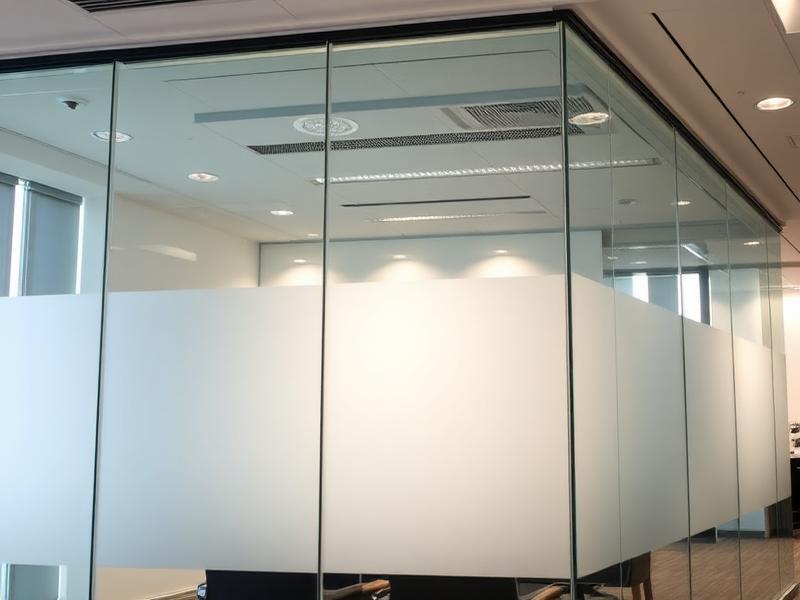
Patterned & Textured Film
Adds design character to plain glass — pantry doors, interior partitions, and home office glass.
Get a Free Quote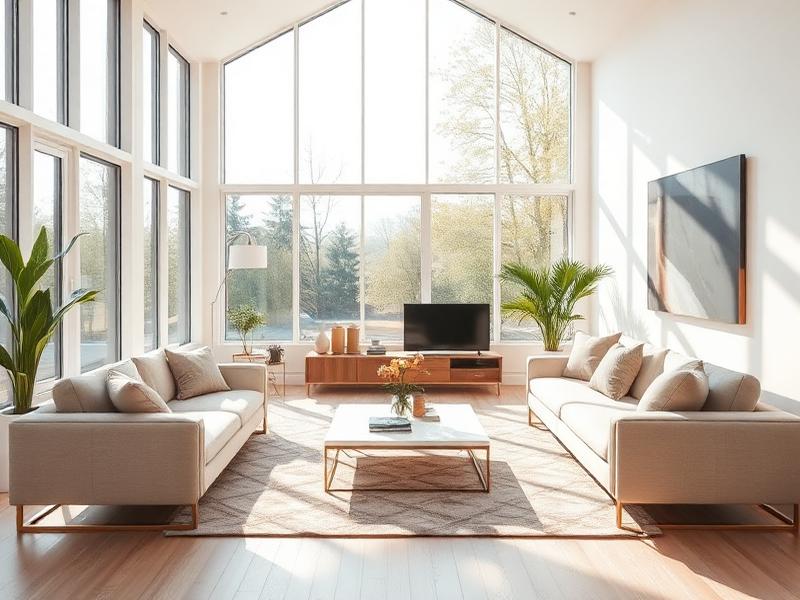
Colored & Tinted Accent Film
Subtle color or shading for glass doors, transoms, and accent windows.
Get a Free Quote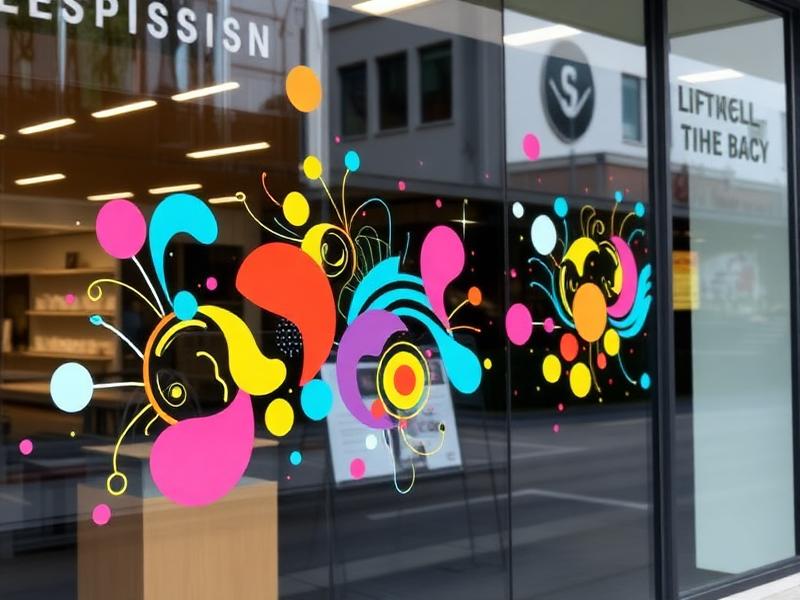
Custom Cut & Branded Film
For homeowners who want a monogram, house number, or custom design element cut directly into the film. For larger-scale versions, see Window & Wall Graphics.
Get a Free QuoteRoom-by-Room Guide
Bathrooms
Frosted or fully opaque film for complete privacy, with enough light transmission that you're not flipping on a light at midday.
Bedrooms
Blackout or heavier decorative film to control both visibility and light — useful for street-facing rooms and anyone sleeping on a day schedule.
Street-Facing Windows
Reflective or moderately tinted film for daytime privacy from sidewalk and passing-car sightlines.
Living Rooms & Home Offices
Light decorative or lightly tinted film — privacy without giving up the room's brightness or your view.
Daytime vs. Nighttime Privacy
Reflective films create a one-way mirror effect during the day because it's brighter outside than it is inside. Anyone looking at your window sees a mirror; you see straight out.
That effect reverses at night. Once your interior lights are on and the outside is dark, the brighter side is now inside — and a reflective film gives you very little privacy at exactly the hours most people want it.
The practical takeaway: if you need privacy that holds up 24/7 regardless of lighting, choose frosted or fully decorative film rather than reflective film alone. This is the single most common mistake homeowners make when picking privacy film — and it's only discovered after dark.
Choosing the Right VLT
VLT — visible light transmission — is simply how much daylight the film lets through.
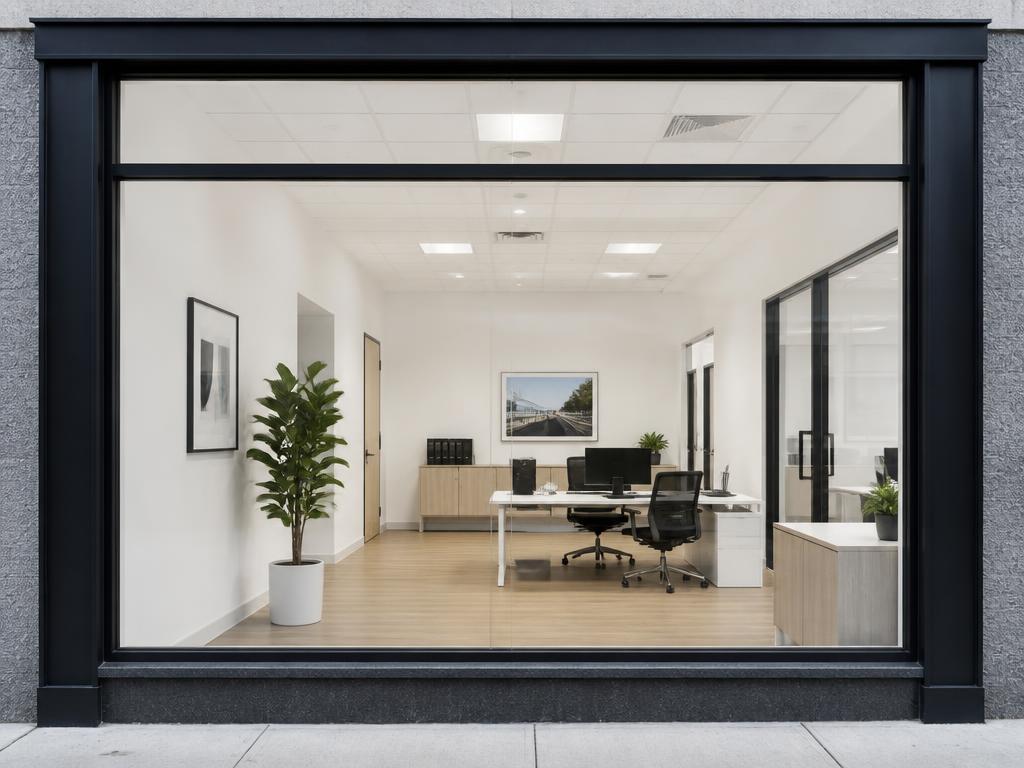
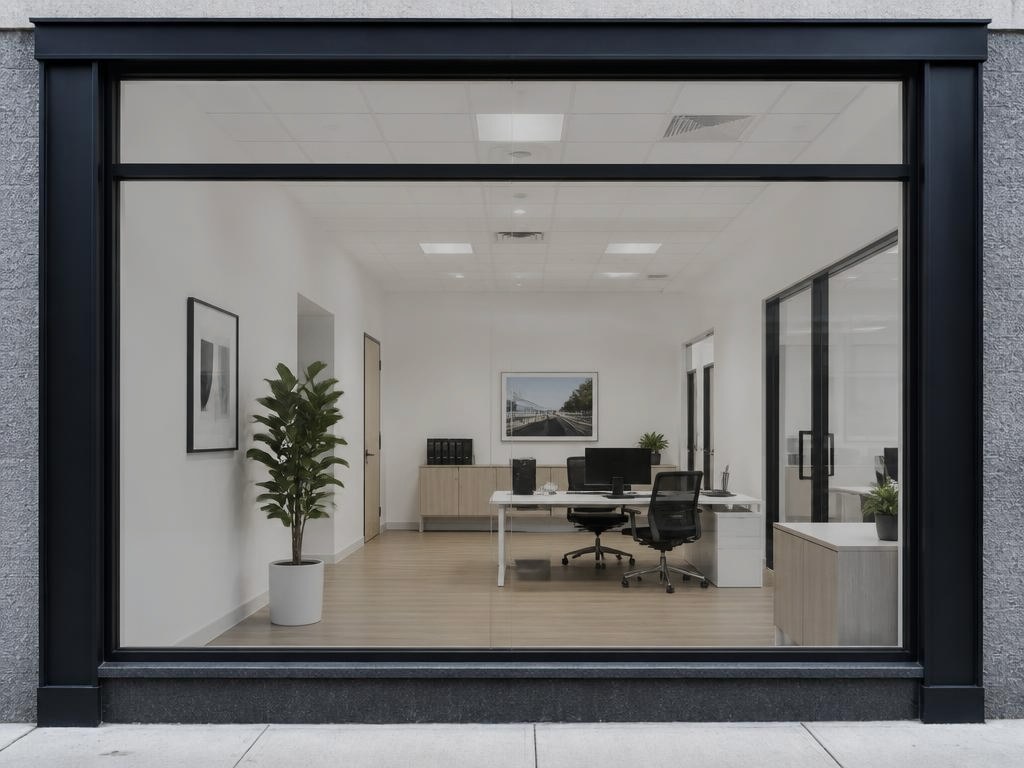 50% VLT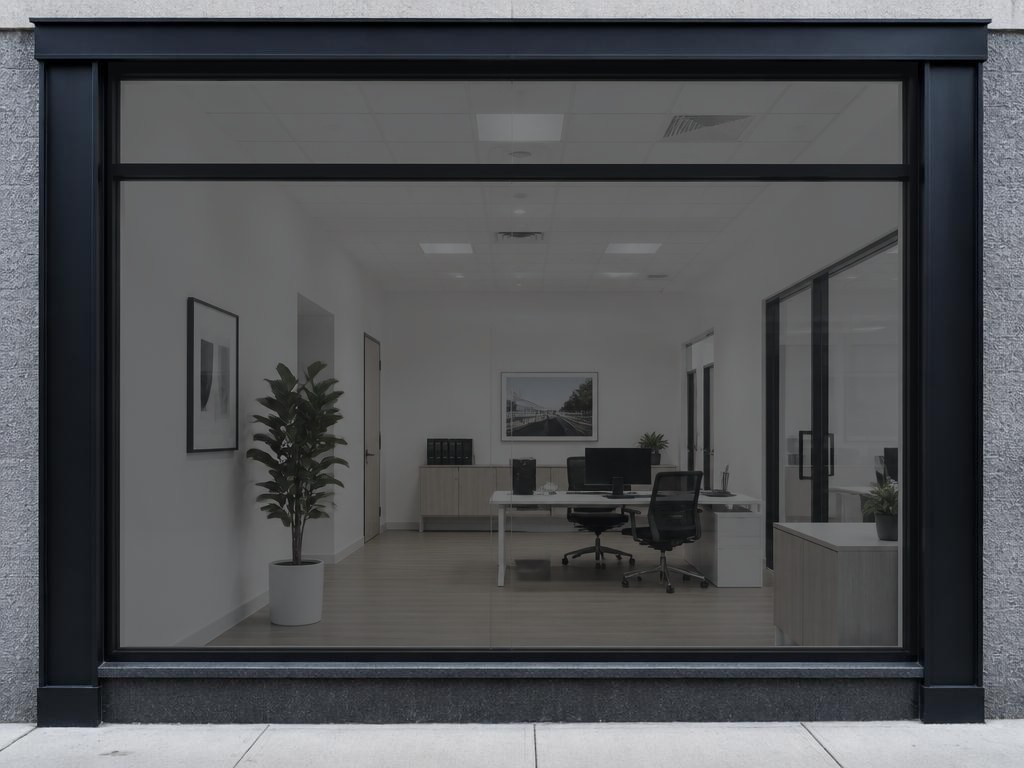
Mid VLT (35–70%)
A visible but comfortable balance. Noticeably cuts glare and outside sightlines while keeping usable daylight in the room.
Every tier is the same scene, shot under the same daylight, so the difference you see is the film — not the lighting.
HOA & Local Considerations
Some HOAs regulate the darkness or reflectiveness of window film visible from the street. Frosted and decorative film is typically less restricted than reflective or mirrored film, since it doesn't change the building's exterior appearance in the same way — but it's worth confirming with your association before installation. We're happy to provide film specifications for your HOA submission.
Installation & Care
Professional Installation
Professional installation avoids the bubbling, creasing, and peeling that's common with retail DIY kits — decorative film shows every flaw because it's meant to be looked at.
Surface Prep Matters as Much as the Film
Multi-stage glass decontamination and gasket detailing come before any film touches the window. Trapped dust under frosted film is permanent and highly visible.
Ammonia-Free Cleaning & Lifespan
Clean with a mild soap solution and a microfiber cloth — never ammonia or abrasives. With proper care, expect a realistic 10–20 year lifespan from quality decorative film.
Decorative Film Frequently Asked Questions
Answers Before You Commit
What is privacy window film and how does it work?
It's a film bonded to the interior glass surface that scatters or blocks light passing through it, so shapes and detail can't be resolved from the other side while daylight still comes into the room.
Will privacy film make my rooms too dark?
Frosted film diffuses light rather than blocking it, so most rooms stay bright. Darkness comes from low-VLT tinted film, which we only recommend where you actually want it, like a bedroom or media room.
Does decorative film block UV rays too?
Most quality decorative films include UV rejection, commonly around 99%, which helps protect flooring, furniture, and artwork. We'll confirm the rating for the specific film you choose.
Is decorative or privacy film removable?
Yes. Professionally installed film can be removed and replaced without damaging the glass, which is why it's a popular choice for renters, resale, or anyone who expects to change the look later.
Which film is best for daytime vs. nighttime privacy?
Reflective film gives strong daytime privacy but reverses at night once interior lights are on. Frosted or fully decorative film works the same around the clock — choose it if you need 24/7 privacy.
How long does installation take?
Most residential decorative projects finish in a single day. A few interior partitions or a bathroom can often be done in a couple of hours.
Can decorative film be customized to match my home's style?
Yes — patterns, gradients, custom cuts, monograms, and house numbers are all available. We show samples in your own light before you commit.
Are there HOA restrictions I should know about?
Some HOAs regulate reflective or mirrored film visible from the street. Frosted and decorative film is typically less restricted since it doesn't change the exterior appearance the same way, but confirm with your association first.
Related Services

Home Window Tinting
Our complete residential tinting program — film series, VLT, and warranty.
Learn More
Solar & Privacy Window Film
Cut heat, UV, and cooling costs without replacing a window.
Learn More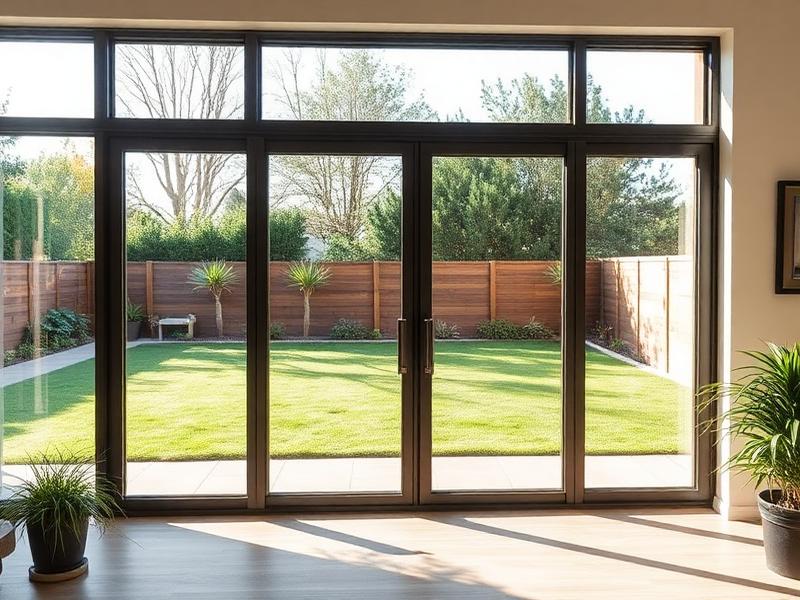
Residential Security Film
Harden sliders and ground-floor glass against break-ins and impact.
Learn MoreWindow & Wall Graphics
Large-format custom graphics for glass and interior walls.
Learn MoreReady to Restyle Your Glass?
Free on-site consultations and samples across Orange County and Los Angeles County.