
Commercial Window Film
Window Film for Churches, Synagogues, Mosques & Temples
Security, privacy, and solar control film for houses of worship — built around the openness your community needs and the protection it deserves.
Everything You Need to Know
Click any section below to jump straight to what you need.
Why Congregations Choose Film
Openness and protection, at the same time.
Jump to Section 02Security & Comfort Benefits
Four things film does for a sanctuary.
Jump to Section 03Federal Funding (NSGP)
How the FEMA grant program fits in.
Jump to Section 04Film Options
Solar, security, and decorative tiers.
Jump to Section 05Installation Standard
Scheduled around services and events.
Jump to Section 06FAQs
Honest answers, including on grants.
Jump to SectionWhy Congregations Choose Film
Protection that doesn't change how a sanctuary feels.
Houses of worship are open by design and by mission — welcoming to the public, often with large street-facing glass, and holding services at predictable, publicized times.
That openness is core to the mission, but it also means physical security planning matters in a way it might not for a typical office building. A congregation can't solve the problem by locking the doors, because unlocked doors are the point.
Security film is one practical, non-disruptive way to add protection without changing how a sanctuary feels or functions. It's invisible once installed, it doesn't narrow an entrance or gate a lobby, and it works continuously without anyone having to operate it.
Security & Comfort Benefits
Four outcomes congregations consistently cite after installation.
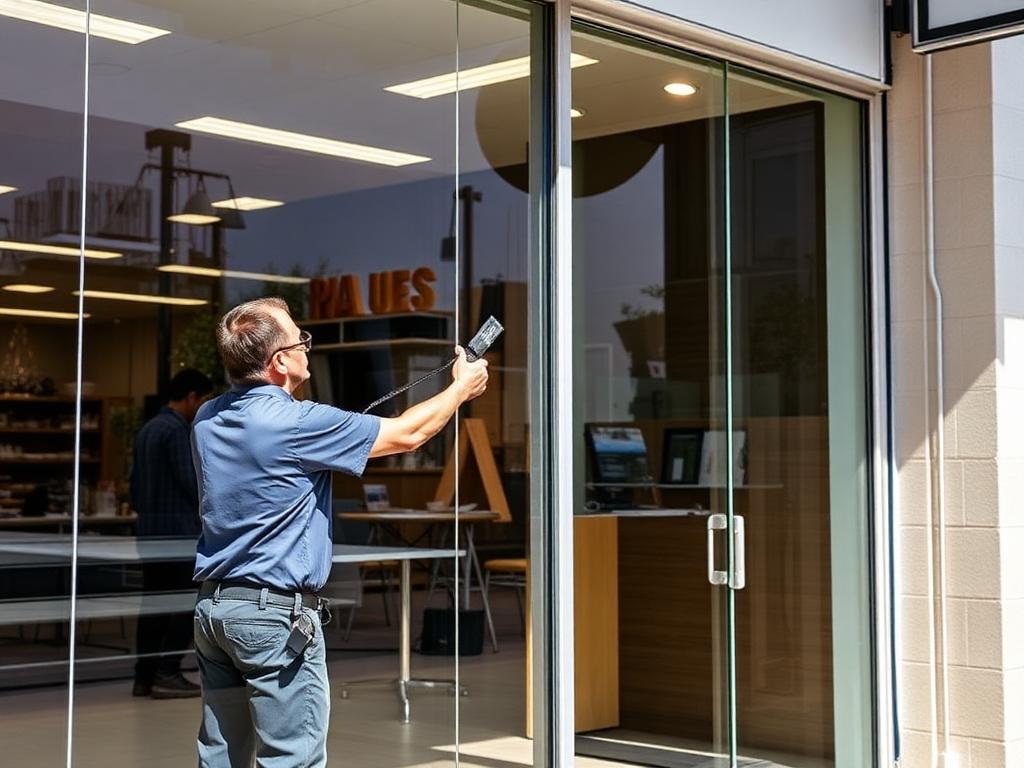
Forced-Entry Delay
Anchored security film on street-facing glass turns a single strike into a sustained, repeated effort — buying time for people inside to move and for a response to arrive.
Get a Free Quote
UV & Solar Protection
Blocks up to 99% of UV, protecting stained glass surrounds, artwork, wood, textiles, and interior furnishings from the fading that quietly ages a sanctuary decades early.
Get a Free Quote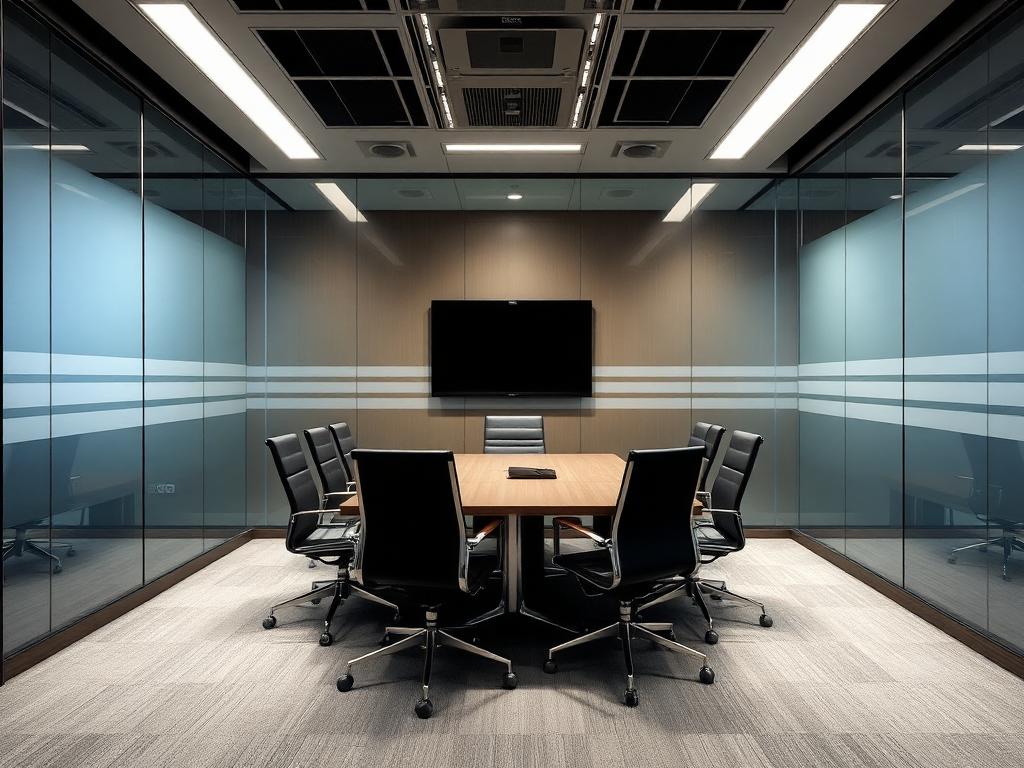
Daytime Privacy
Offices, counseling rooms, and meeting spaces get one-way daytime privacy without blinds — keeping the building bright and open while the sensitive rooms stay unseen.
Get a Free Quote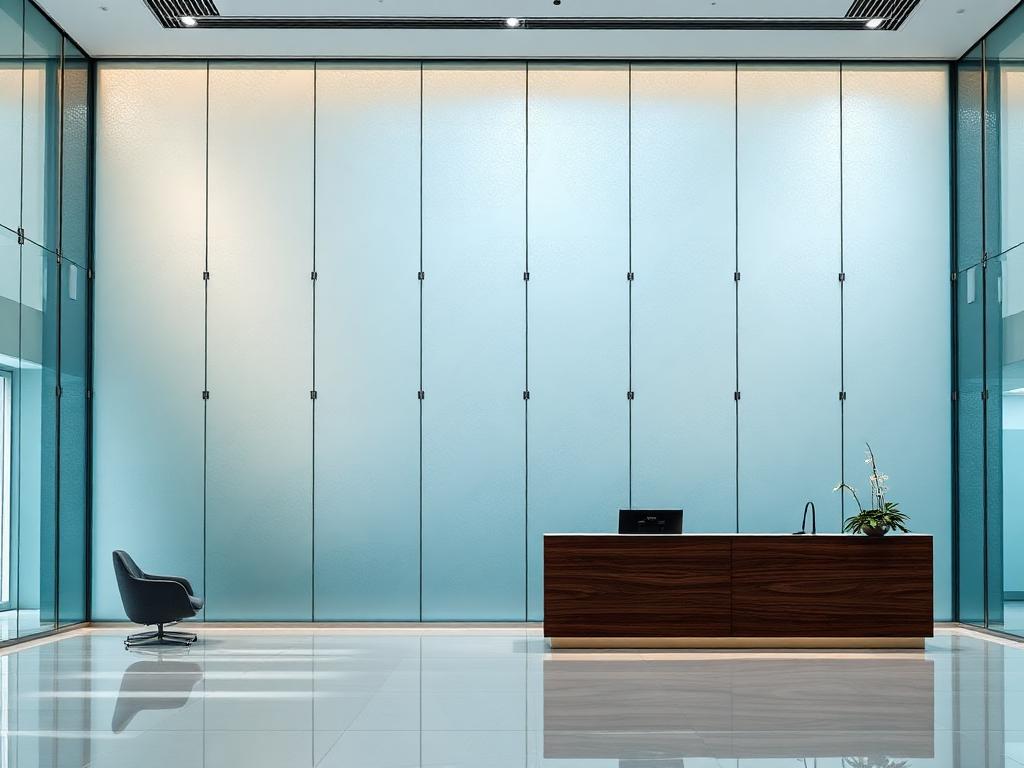
Injury Reduction
In any breakage event — accidental, weather-driven, or intentional — film holds fragments to the sheet instead of scattering them into a room full of people.
Get a Free QuoteFederal Funding Through the Nonprofit Security Grant Program
What the program covers — and what we can and can't tell you about it.
The FEMA Nonprofit Security Grant Program (NSGP), administered through the Department of Homeland Security, funds "target hardening" physical security improvements for nonprofit organizations at elevated risk — including houses of worship.
Eligible facilities may qualify for funding toward physical security measures, potentially including protective window film, as part of a broader security upgrade. Grants are distributed through state administrative agencies, and eligibility, funding caps, and application deadlines vary by cycle and state.
We're not grant consultants — we'd recommend confirming current NSGP details and your congregation's eligibility directly with FEMA or your state's administering agency, and we're happy to provide product specifications and quotes to support a grant application.
Film Options
Three directions, often combined across different areas of one property.
Solar & UV Protection
Spectrally selective film that rejects heat and blocks UV while keeping the sanctuary bright. Protects stained glass surrounds and interior finishes from fading. Same product families as our commercial window tinting.
Security & Forced-Entry Delay
Thicker, frame-anchored film for street-facing and ground-floor glazing where forced entry is the concern. See retail storefront security film for how the anchoring system works.
Decorative & Privacy Film
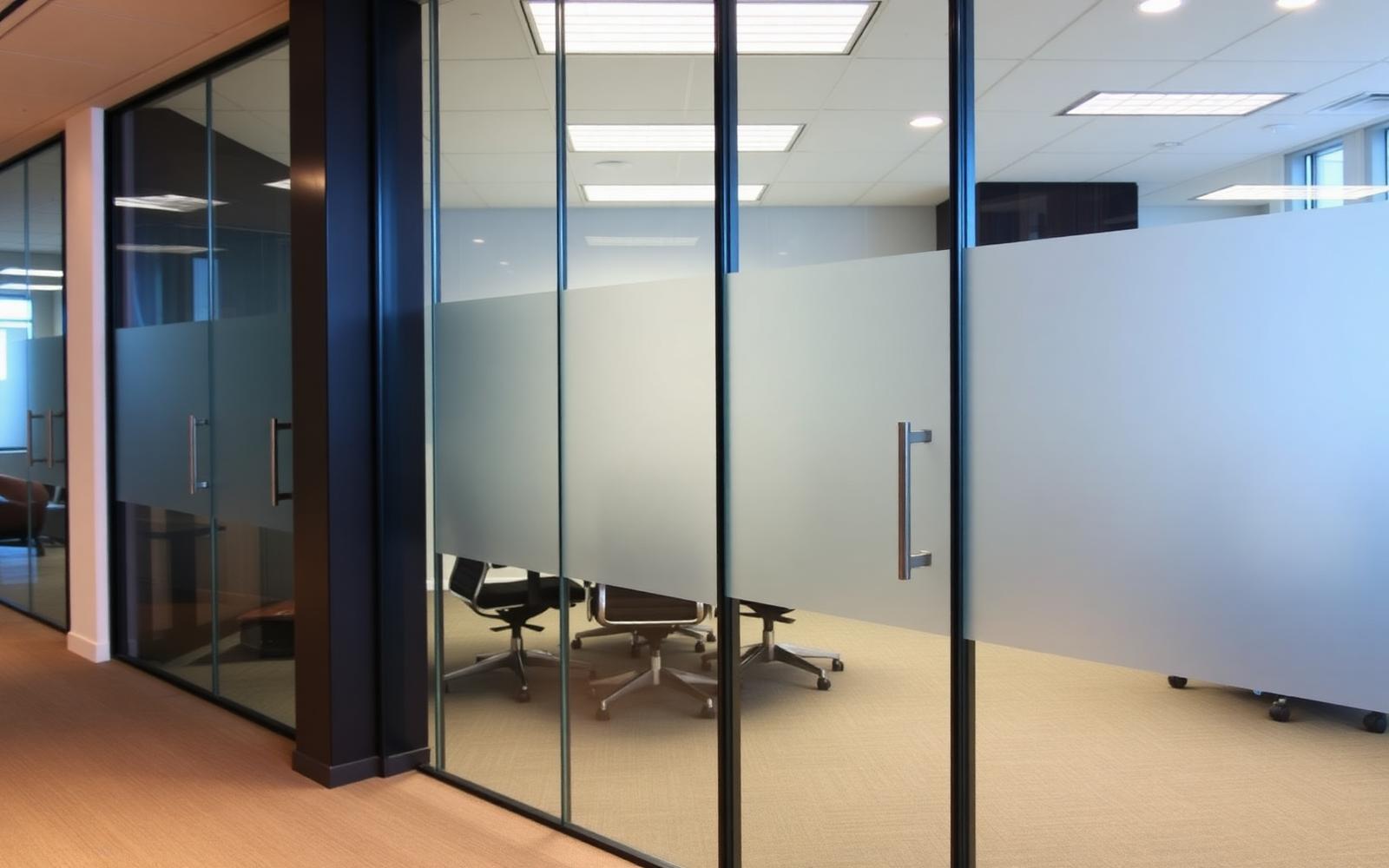
Frosted, etched-look, and patterned film for offices, meeting rooms, and administrative spaces — plus branded and custom designs through office privacy & frosted graphics.
The TWT Installation Standard
Four steps we don't skip — sequenced around your service calendar.
Walkthrough & Glazing Survey
We walk the property with your facilities lead or board representative, map glazing by exposure and risk, and identify any stained, leaded, or historic glass that needs a different approach.
Glass Decontamination
Every pane is scraped, flooded, and squeegeed clean before film touches it. Contaminated glass is the leading cause of bubbling and edge lift months later.
Precision Trim & Application
Film is cut to the exact daylight opening so edges sit tight to the frame — and where security film is specified, the wet-glaze or mechanical anchor is applied at the frame.
Inspection & Flexible Scheduling
Each pane is inspected against a punch list before handoff. Work is scheduled around service times, holidays, weddings, funerals, and community events — we sequence around your calendar, not ours.
FAQs
Places of Worship Film Questions
Can window film really be funded through a federal grant?
Potentially. The FEMA Nonprofit Security Grant Program funds target-hardening physical security improvements for eligible nonprofits at elevated risk, and protective window film can fall within that category as part of a broader security upgrade. Eligibility, funding caps, and deadlines vary by cycle and by state administering agency. We're not grant consultants — confirm current details with FEMA or your state agency before counting on it.
Will security film protect stained glass?
Not directly, and it's worth being clear about that. Security film is typically applied to clear or plain glass. Stained and leaded glass installations need a specialized approach — often protective exterior glazing rather than surface-applied film. What film does do well is protect stained glass indirectly, by blocking the UV that fades surrounding finishes and by hardening the clear glazing around it.
Does this affect the appearance of our sanctuary from the street?
It doesn't have to. Security film is optically clear and effectively invisible once installed. Solar films range from nearly clear to visibly tinted, and we'll show you samples in your own light before you choose — most congregations pick a neutral, low-reflectance option that reads as ordinary glass.
How disruptive is installation to our regular services?
Minimal, because we schedule around you. Most congregations have us work weekdays between services or during off-hours. We sequence by room or elevation so no space is out of use for more than part of a day.
Is this suitable for historic or older buildings?
Often yes, but it requires assessment. Older annealed and single-pane glass has different thermal stress tolerances than modern glazing, and historic buildings may have preservation requirements. We survey the glass makeup on site and only spec within manufacturer guidelines.
How does this compare to hiring additional security staff?
They're complementary, not alternatives. Staff and volunteers provide detection and response; film provides delay at the glass. Film is also a one-time capital cost that works every hour of every day, which is why it's frequently paired with — not substituted for — a staffing or volunteer safety team plan.
Do you work with congregations on grant-supporting documentation?
Yes. We can provide detailed product specifications, manufacturer test documentation, scope of work, and itemized written quotes that a grant application can reference. We don't write or administer applications, but we make sure your facilities team or grant writer has what they need from the vendor side.
Related Commercial Services
Protect Your Congregation
Free on-site assessment, glazing survey, and grant-ready written specifications across Orange County and Los Angeles County.