

Residential Window Film
Security Window Film for Southern California Homes
Reinforce vulnerable glass, slow forced entry, and reduce injury risk from shattered windows — without changing how your home looks.
Everything You Need to Know
Click any section below to jump straight to what you need.
Core Benefits
What security film actually delivers.
Jump to Section 02How Security Film Works
The honest mechanics of anti-shatter film.
Jump to Section 03Protection Tiers
4 mil to 15+ mil, matched to the opening.
Jump to Section 04Installation Standard
Our four-step security install process.
Jump to Section 05California Requirements
What safety glazing code actually says.
Jump to Section 06Lifetime Warranty
Film, glass, and workmanship coverage.
Jump to Section 07After-Care Guide
Curing, cleaning, and edge inspections.
Jump to Section 08FAQs
Straight answers, no overselling.
Jump to SectionThe Core Benefits of Security Film
Break-In Deterrence
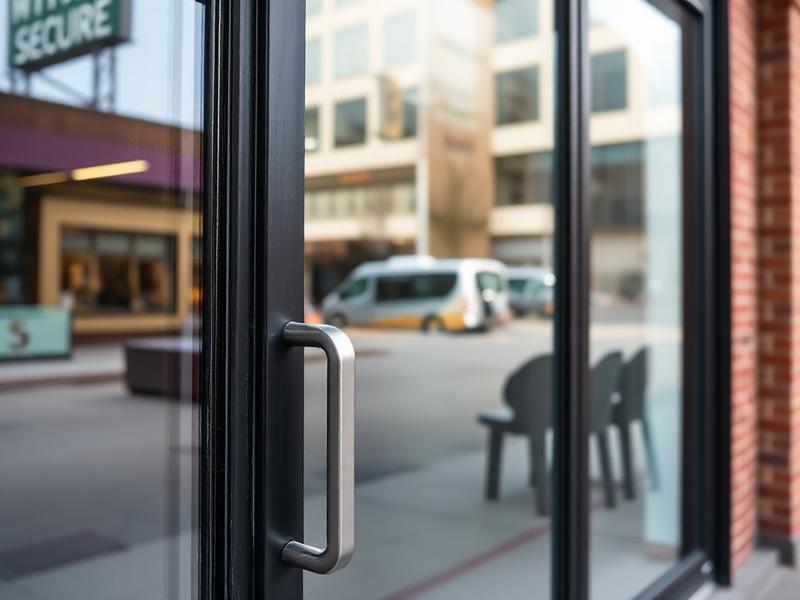
Reinforced glass takes significantly longer to breach, and the extra time and noise required is often enough to make an intruder move on.
Get a Free Quote
Reduced Injury Risk
When security film-treated glass breaks, fragments stay bonded to the film instead of scattering — a meaningful safety difference for kids, pets, and anyone near the glass.
Get a Free Quote
Earthquake & Storm Resilience
Film holds shattered glass in the frame during seismic events or wind-driven debris impact, reducing a secondary hazard most homeowners never think about until it happens.
Get a Free QuoteSmash-and-Grab Resistance
The same principle that protects storefronts applies to ground-floor windows and sliding doors — a common entry point for residential break-ins.
Get a Free QuoteHow Security Film Works
Security film doesn't make glass unbreakable — it changes what happens after the glass breaks. A layer of polyester film, typically 4 to 15+ mils thick and several times thicker than standard window film, is bonded to the interior glass surface.
On impact the glass still cracks, but the shards stay adhered to the film instead of falling free or scattering as projectiles. Combined with edge anchoring or a wet-glaze system at the frame, this adds meaningful forced-entry delay — turning a single kick-in attempt into a repeated, noisy, time-consuming effort.
What we won't tell you: that film is bulletproof, unbreakable, or burglar-proof. The accurate claim is delay and injury reduction — not prevention. Anyone promising more is selling you something the product doesn't do.
Protection Tiers by Film Thickness
Not every window needs the same system. We spec by risk, not by upsell.
Tier 1 — Safety Film (4–7 mil)
Entry-level anti-shatter protection. Primarily reduces injury risk from accidental glass breakage — sports, storms, and everyday impact. Meets the basic safety glazing intent for hazardous locations.
Tier 2 — Standard Security Film (8–12 mil)
The most common residential choice. Adds real forced-entry delay at ground-floor windows and sliding doors, and is typically paired with edge anchoring for maximum hold.
Tier 3 — Premium Security Film (13–15+ mil)
Maximum forced-entry delay for high-priority openings such as street-facing sliders and first-floor bedroom windows. Often combined with a wet-glaze or mechanical attachment system at the frame for the strongest hold.
The TWT Security Installation Standard
Environment Prep & Threat Assessment
We identify your highest-priority openings — typically ground-floor windows and sliding doors — and protect surrounding floors, sills, and furnishings before any work begins.
Glass Decontamination
The same multi-stage cleaning process we use on all residential glass. It matters even more here: adhesion quality directly affects how well the film holds under impact.
Edge Anchoring or Wet-Glaze Application
For premium security installs, film edges are mechanically anchored or wet-glazed into the frame rather than simply adhered to the glass surface. This is what actually creates forced-entry delay — not the film alone.
Adhesion Testing & Final Inspection
Every security install is checked for edge bond strength and full-perimeter contact before we consider the job complete.
What California Code Actually Requires
Hazardous Location Glazing
Federal law (16 CFR 1201, in effect since 1977) requires safety glazing in specific hazardous locations — near doors, in stairwells, and in bathrooms. Glazing in these locations must pass an impact test: Category I glass (under 9 sq ft) must withstand a 150 ft-lb impact, and Category II glass (over 9 sq ft) must withstand 400 ft-lb, without breaking dangerously. Importantly, ordinary annealed glass — even with security film applied — does not meet this standard on its own unless the film-and-glass assembly has been specifically tested and listed as safety glazing. Security film is a genuine safety and forced-entry upgrade, but it supplements code-required safety glazing rather than replacing it in locations where certified safety glazing is legally required.
Retrofit vs. New Construction
For existing homes, security film is a widely used retrofit that meaningfully improves the safety performance of older annealed glass without a full glass replacement — most valuable exactly where code doesn't require replacement but the risk is still real.
Industry Standards
Security and safety film performance is generally referenced against ANSI/ASTM safety glazing impact standards, as maintained by the International Window Film Association.
This section is general information, not legal or code advice. Requirements vary by jurisdiction, structure age, and specific window location — confirm what applies to your property during your free estimate.
The TWT Security Film Warranty
Three layers of coverage: the manufacturer's, your glass, and our own workmanship.
Manufacturer Film Warranty
3M and LLumar back their residential security film against peeling, bubbling, delamination, and discoloration for as long as you own your home.
Glass Breakage Coverage
Qualifying installations include manufacturer glass breakage and seal failure coverage when the correct film is matched to your specific glass type.
TWT Workmanship Guarantee
Our own lifetime guarantee on the install itself — including edge anchoring and wet-glaze bonds, the part that actually delivers forced-entry delay.
The Security Film After-Care Guide
Three simple rules keep your film — and its hold strength — intact for decades.
Allow a Full Cure
Thicker security films hold more mounting solution than standard tint. Expect a light haze or small water pockets for up to 30 days — leave them alone and they clear on their own.
Ammonia-Free Cleaning Only
Ammonia degrades film adhesive and scratch-resistant coatings. Use a mild soap-and-water solution with a clean microfiber cloth — never abrasive pads, scrapers, or squeegee blades.
Inspect Edges Every 6–12 Months
Security film installations should be visually inspected for edge lift every 6–12 months, since edge bond integrity is what delivers the forced-entry benefit. Call us if you see any lifting.
Security Film Frequently Asked Questions
Answers Before You Commit
Will security film stop a bullet?
No. Standard security film is not ballistic-rated and we won't claim otherwise. It is designed to hold shattered glass together and delay forced entry — not to stop projectiles. No film on the market — including premium, wet-glaze security film — is bulletproof or burglar-proof. What it reliably does is slow forced entry and keep broken glass from scattering, which is a meaningful, real-world safety improvement even though it isn't total prevention.
Can someone still break the glass with security film installed?
Yes. The glass still cracks. The difference is what happens next: fragments stay bonded to the film instead of falling free, so the opening isn't cleared in a single strike. That turns one kick-in into a repeated, loud, time-consuming effort.
Does security film meet California safety glazing code?
Security film supplements existing glass and is a widely used retrofit, but it does not replace a code requirement for tempered or laminated glazing in a hazardous location during new construction or major alterations. We'll confirm what applies to your property at the estimate.
How much forced-entry delay does security film actually add?
It depends on film thickness, glass type, and whether the edges are anchored. Anchored premium film adds meaningfully more delay than surface-adhered film alone. We size the system to the opening rather than quoting a single number for every home.
Will it work on sliding glass doors?
Sliders and patio doors are among the most common applications we install, because they're the most common residential entry point. Edge anchoring is especially valuable on these openings.
Is security film visible once installed?
Clear security film is essentially invisible from both sides once cured. If you also want heat rejection or privacy, we can spec a tinted or dual-purpose security film instead.
How is security film different from standard window tint?
Thickness and purpose. Standard tint is roughly 1.5–2 mil and built for solar performance; security film runs 4–15+ mil and is engineered for impact retention and tear strength.
Do you offer security film for both residential and commercial properties?
Yes — we install security film for homes across Orange County and LA County, and run a dedicated commercial security film program for retail, schools, and office buildings.
Related Services

Solar & Privacy Window Film
Cut heat, UV, and cooling costs without replacing a window.
Learn More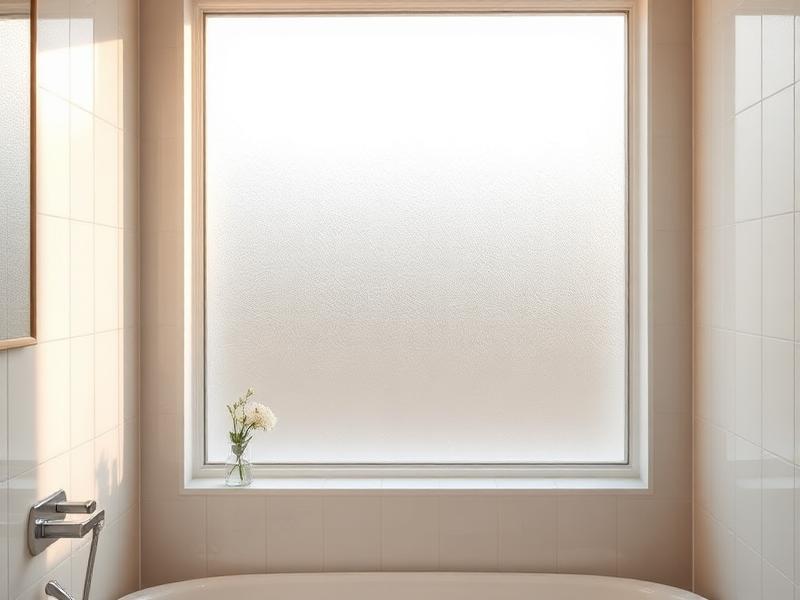
Decorative Film
Frosted, patterned, and custom film for privacy with style.
Learn More
Home Window Tinting
Our full residential tinting program — film series, VLT, and warranty.
Learn More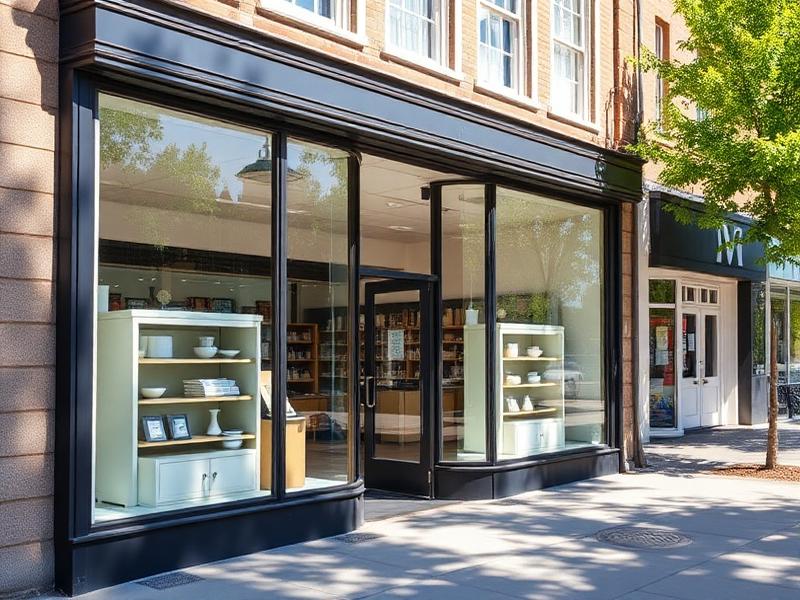
Commercial Security Film
Storefront, office, and facility glass hardening for businesses.
Learn MoreReady to Harden Your Glass?
Free on-site security assessments across Orange County and Los Angeles County.