
Commercial Window Film
Window Film for Data Centers & Server Rooms
Privacy and solar heat control for sensitive equipment environments — without interfering with the signals and systems your facility depends on.
Everything You Need to Know
Click any section below to jump straight to what you need.
Why Data Centers Need Film
Two competing needs at the glass line.
Jump to Section 02The Signal-Safe Requirement
Why metallic film is the wrong choice here.
Jump to Section 03Thermal & Privacy Benefits
Cooling load, UV, privacy, and glare.
Jump to Section 04Film Options
Nano-ceramic solar and frosted privacy.
Jump to Section 05FAQs
Answers for facility and IT operations leads.
Jump to SectionWhy Data Centers Need Film
Two competing requirements meeting at the same pane of glass.
Server rooms and data centers with exterior glass face two competing needs: visibility for building design or monitoring, and strict environmental and security control inside.
Untreated glass introduces solar heat gain that fights against precision cooling systems engineered to hold tight tolerances — every watt of solar load through the glazing is a watt your CRAC or CRAH units have to remove again.
At the same time, unobstructed sightlines into equipment areas raise both security and confidentiality concerns. Rack layout, cabling, labeling, and access hardware are all readable from outside a clear pane.
The Signal-Safe Requirement
The single most important spec decision on this kind of project.
Older metallic or "sputtered" window films can act as a partial Faraday cage, potentially interfering with WiFi, cellular signal, and wireless equipment — a real concern in any facility dependent on wireless connectivity or monitoring systems.
Non-metallic, nano-ceramic film avoids this entirely: it's non-conductive, so it won't interfere with wireless signals, security sensors, or building automation systems, while still delivering strong heat rejection.
That's why every data center and server room spec we write is restricted to non-metallic ceramic construction — there's no cost saving on a metallized film that justifies putting a facility's wireless monitoring at risk.
Thermal & Privacy Benefits
Four outcomes that matter in an equipment environment.
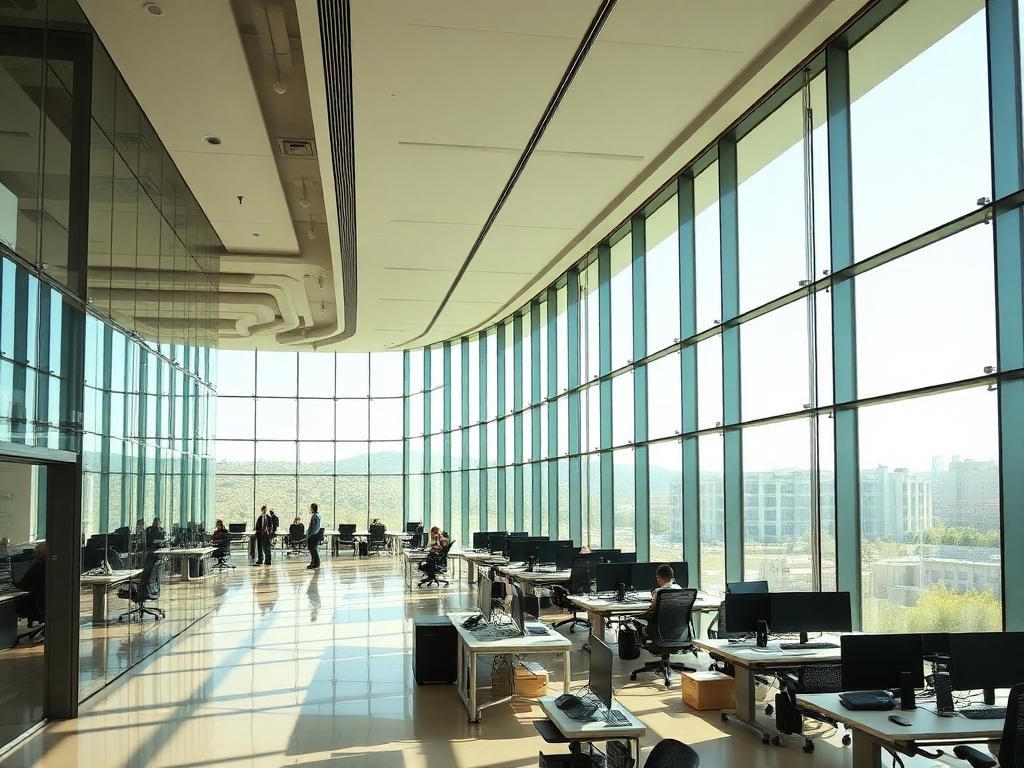
Reduced Cooling Load
Less solar heat gain means less strain on precision HVAC systems built to tight tolerances. Rejecting heat at the glass is far cheaper than removing it downstream with mechanical cooling.
Get a Free Quote
Equipment Protection
Blocks up to 99.9% of UV and a large share of infrared, protecting glass-adjacent racks, cabling, labeling, and enclosure finishes from the degradation that direct exposure causes over time.
Get a Free Quote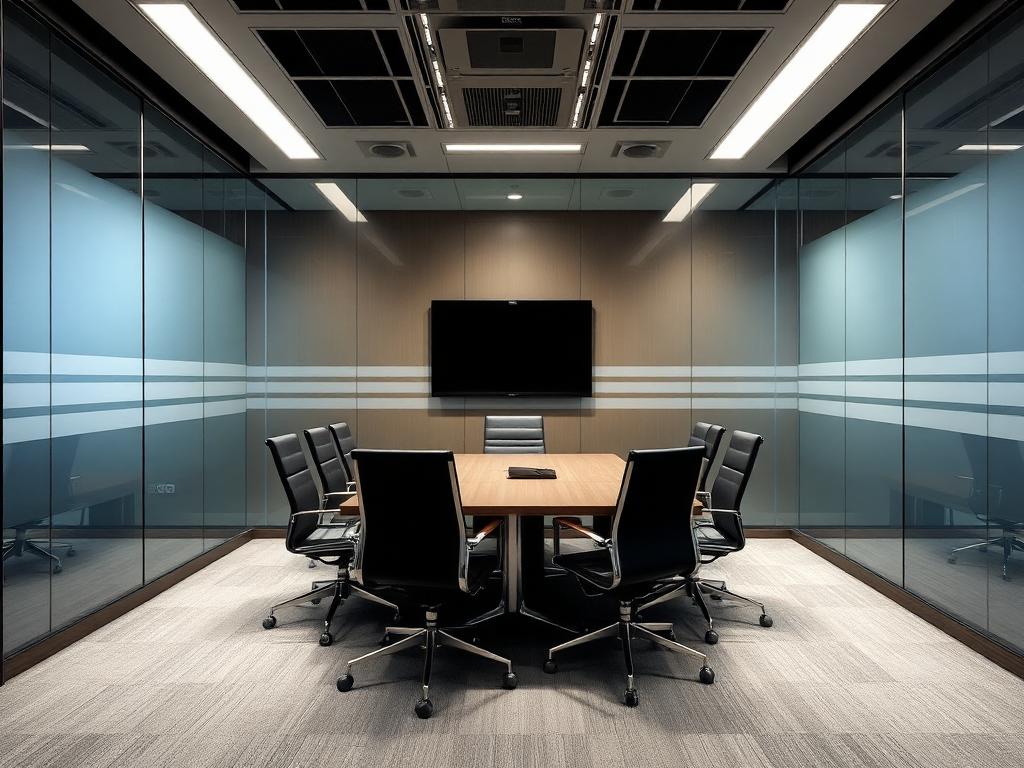
Visual Privacy
Obscures sightlines into equipment areas and access corridors, removing the ability to survey rack layout, cabling, or access hardware from outside the secure envelope.
Get a Free Quote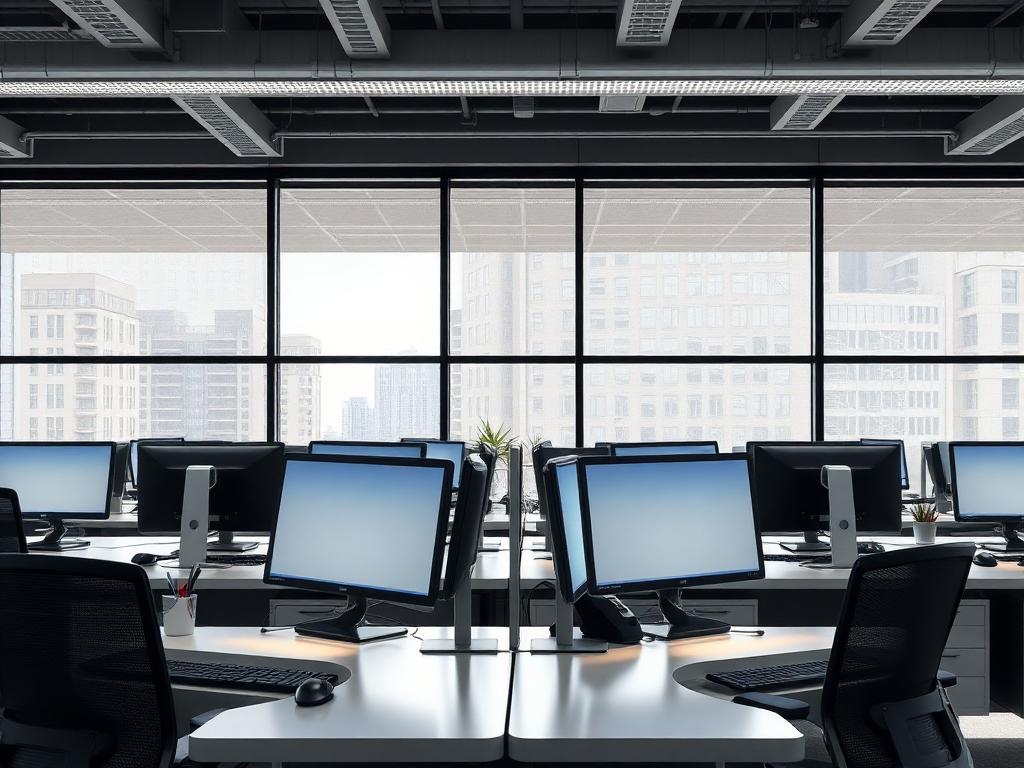
Reduced Glare
Kills screen washout on monitoring stations and NOC display walls so operators can keep daylight without losing readability on alert dashboards.
Get a Free QuoteFilm Options
Two specifications, frequently combined on the same facility.
Nano-Ceramic Solar Control
Maximum heat rejection with a fully non-metallic, non-conductive build — the default spec for any signal-sensitive facility. Same premium product families as our commercial window tinting, with VLT selected to match your visibility requirements.
Privacy & Frosted Film
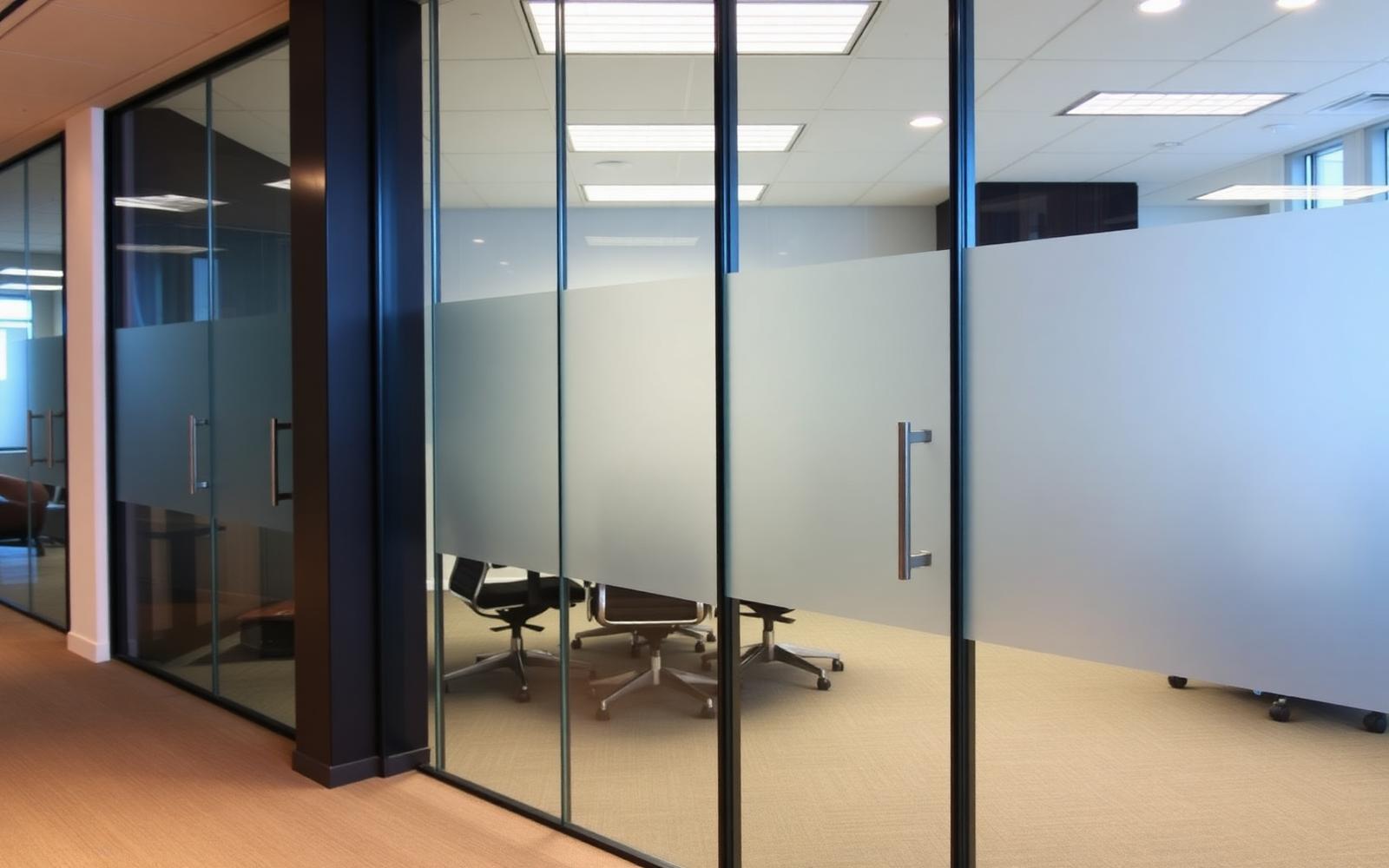
Frosted, gradient, and opaque film for interior glass partitions around server rooms and equipment corridors — including custom bands and access-control zoning through office privacy & frosted graphics.
FAQs
Data Center Film Questions
Will this interfere with our wireless network or monitoring equipment?
No — not with non-metallic ceramic film. Nano-ceramic film is non-conductive, so it doesn't attenuate WiFi, cellular, RFID, security sensors, or building automation signals. Older metallic and sputtered films can, which is exactly why we don't spec them in connected facilities.
Can film help reduce cooling costs in a facility with tight environmental tolerances?
Yes. Solar heat entering through glass is load your cooling system has to remove. Rejecting it at the glazing reduces the peak demand your precision HVAC is fighting, which tends to matter most on west and south elevations during afternoon peak.
Is this suitable for raised-floor or high-density server environments?
Yes — film is applied to the glazing, not the room, so it's agnostic to floor construction and rack density. The relevant question is which glass is exposed and to what orientation, which we survey on site.
Does it affect security camera visibility through glass?
Solar film reduces visible light transmission, which can affect a camera shooting through glass — especially at night. We survey camera positions during the assessment and select VLT accordingly, or leave camera-critical panes untreated.
How is data center film different from standard commercial solar film?
The material constraint. Standard commercial jobs can use metallized film where budget matters more than signal behavior. Data center specs are restricted to non-metallic ceramic construction, and privacy zoning is typically applied to interior partitions as well as exterior glass.
Can this be scheduled around facility uptime requirements?
Yes. We work after-hours, overnight, and in phased maintenance windows as standard, with a written sequencing schedule delivered with the proposal. Nothing about a film install requires equipment downtime — it's a glazing-side operation.
Related Commercial Services

Spec Signal-Safe Film for Your Facility
Free on-site assessment and written proposal across Orange County and Los Angeles County — scheduled around your maintenance windows.