


Residential Window Film
Solar Control & Energy-Saving Window Film
Block heat before it enters your home, cut UV exposure, and lower your cooling costs — without replacing a single window.
Everything You Need to Know
Click any section below to jump straight to what you need.
Why Windows Waste Energy
The summer greenhouse and winter leak.
Jump to Section 02How Film Blocks Heat
Reflection, absorption, and selectivity.
Jump to Section 03Key Performance Metrics
SHGC, VLT, and TSER explained.
Jump to Section 04Ceramic vs. Low-E Film
Which technology fits your climate.
Jump to Section 05Film vs. Replacement
Cost, performance, and speed compared.
Jump to Section 06Professional vs. DIY
Where retail kits go wrong.
Jump to Section 07FAQs
Straight answers to common questions.
Jump to SectionWhy Your Windows Waste Energy
Glass is the weakest thermal link in almost every Southern California home.
The Summer Greenhouse Effect
Untreated glass lets short-wave solar radiation through; it converts to heat once it hits your floors and furniture, and then gets trapped indoors — forcing your A/C to work overtime.
The Winter Heat Leak
In reverse, glass conducts your indoor heat outward during cold months, creating drafts and cold spots that make your furnace run more than it should.
Film as a Performance Upgrade
Window film retrofits your existing glass to block unwanted heat in summer and, with the right product, hold your paid-for warmth in winter — without a construction project.
How Film Blocks Heat
Reflection. Ceramic and metallic layers bounce infrared heat back outside before it ever penetrates the glass.
Absorption. Coatings absorb residual heat within the film layer and release it back outward rather than into the room.
Selective transmission. Modern spectrally selective film blocks heat-carrying wavelengths while letting visible light through — unlike old-school dark tints that block everything equally and just make the room dim.
The winter mirror effect: Low-E film reflects your furnace's infrared heat back into the room instead of letting it escape through the glass — the same principle working in reverse once the temperature drops.
Key Performance Metrics
Three numbers tell you almost everything about how a film will perform.
SHGC — Solar Heat Gain Coefficient
Lower is better for cooling. California's 2026 Title 24 code targets 0.23 or lower for new and replacement windows in most Southern California climate zones — a useful benchmark even though film itself isn't Title 24-certified the way a manufactured window is.
VLT — Visible Light Transmission
Higher means more natural light. Choose 50–70% VLT for a near-clear look, or 15–35% if you need stronger glare control in a media room or home office.
TSER — Total Solar Energy Rejected
The all-in-one performance number combining UV, visible light, and infrared rejection. Look for 50%+ for genuinely high-performance film — see ENERGY STAR's window efficiency resources for context.
For the full breakdown of these numbers, Title 24 climate zones, and payback math, read our Energy Savings Guide.
Ceramic vs. Low-E Film
Ceramic Film
Nano-ceramic particles — non-metallic and non-conductive, so it won't interfere with WiFi, cell signal, or smart home devices. Best for hot climates and homeowners who want maximum heat rejection with a completely clear appearance.
Low-E Film
Acts as an added insulating layer, reflecting solar heat out in summer and furnace heat back in during winter. Best for homes in Southern California's inland and high-desert areas that see real temperature swings between seasons.
Why Film Instead of New Windows?
The Cost Gap
Professional window film typically runs $8 to $18 per square foot installed, depending on film grade. Full window replacement in Southern California averages $500 to $1,800 per window, and can push higher for premium materials or custom sizes — for a whole home, that's often $11,000 to $40,000+. Film delivers a comparable heat-rejection upgrade at a fraction of the cost, with a typical payback period of 2 to 5 years compared to 15+ years for replacement windows.
Performance
High-performance film can outperform many standard double-pane replacement windows on solar heat rejection alone — the metric that matters most in a Southern California cooling climate.
Speed & Sustainability
Most residential film installs finish in a single day with zero construction mess, and keep your existing glass out of the landfill.
Cost comparisons are general framing, not a quote. We confirm current pricing for both film and replacement against your actual glass during the free estimate.
Professional vs. DIY Installation
Contamination & Finish
Dust and debris trapped under retail film shows permanently, and improper squeegee technique leaves bubbling, creasing, and lifted edges that never settle out.
Thermal Stress Cracking
The most serious DIY risk: matching the wrong film to the wrong glass type on a double-pane window can cause thermal stress cracking and seal failure. Film selection is a glass-compatibility decision, not a shade preference.
Materials & Warranty
Professional installs use commercial-grade film not sold at retail, precision edge-to-edge cutting, and carry a manufacturer-backed lifetime warranty that DIY kits simply don't offer.
Solar Film Frequently Asked Questions
Answers Before You Commit
Will solar film make my house too dark?
Not unless you want it to. Modern spectrally selective film blocks heat-carrying infrared wavelengths while letting visible light through, so a 60–70% VLT ceramic film can look nearly clear and still reject most of the heat.
Does window film hurt my houseplants?
Most houseplants do fine — they need visible light, not UV, and film preserves the visible spectrum. Very high-light plants in a heavily tinted room may grow more slowly, so we'll flag that if it applies to your space.
Can solar film cause my glass to crack?
Only when the wrong film is applied to the wrong glass. Thermal stress cracking is a real risk on double-pane and annealed units, which is why we check glass type, orientation, and exposure before specifying film.
How do I clean my windows after film is installed?
Ammonia-free cleaner or a mild soap solution with a clean microfiber cloth. Skip abrasive pads, scrapers, and anything with ammonia — it degrades the adhesive and the scratch-resistant coating.
How long does the energy-saving benefit last?
The performance is built into the film itself, so it doesn't fade with use. Quality residential film holds its rated performance for the life of the installation, typically 15–20+ years indoors.
Can film be installed on double-pane (IGU) windows?
Yes, and it's very common — but the film must be matched to the glass. We select an IGU-safe product and confirm compatibility before installation.
Will film interfere with my WiFi or cell signal?
Ceramic film won't — it's non-metallic and non-conductive. Older metalized films can attenuate signal, which is one reason we default to ceramic for homes with smart devices.
How long does installation take?
Most residential projects finish in a single day. Larger homes with extensive glass may run into a second day, which we'll tell you upfront in the written quote.
Does solar film provide privacy at night?
Reflective film gives one-way daytime privacy, but that effect reverses at night when your interior lights are on. For 24/7 privacy, frosted or decorative film is the better choice.
Will I notice energy savings right away?
Comfort changes are immediate — rooms stop feeling like ovens in the afternoon. Utility bill impact shows up over a full cooling season, and varies with your home's orientation, glass area, and A/C usage.
Related Services
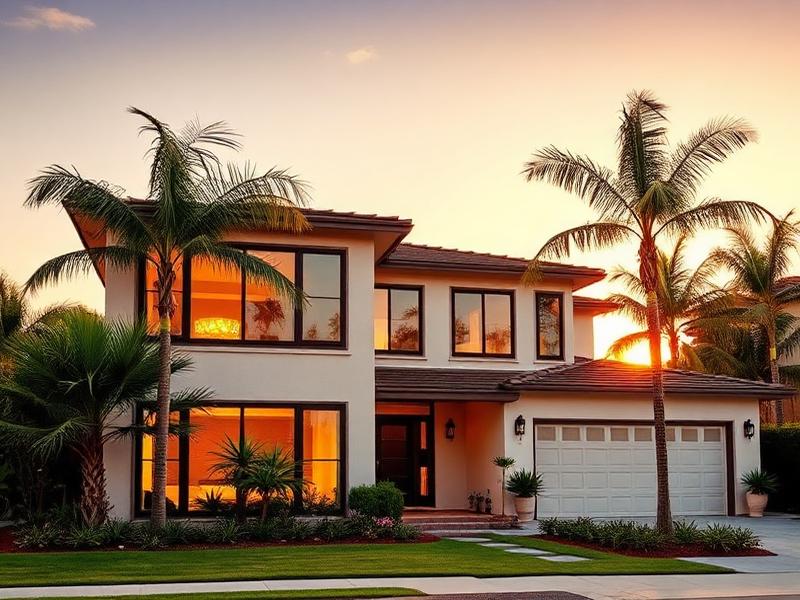
Home Window Tinting
Our complete residential tinting program — film series, VLT, and warranty.
Learn More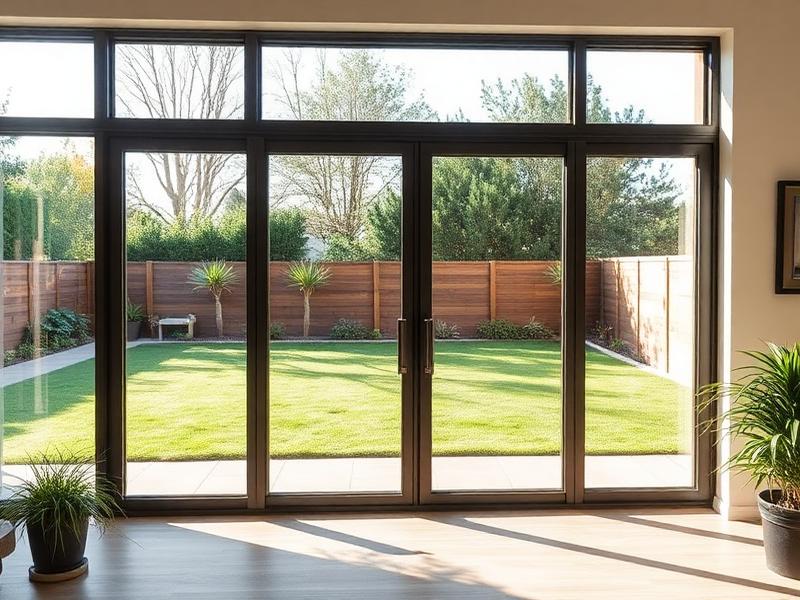
Residential Security Film
Harden sliders and ground-floor glass against break-ins and impact.
Learn More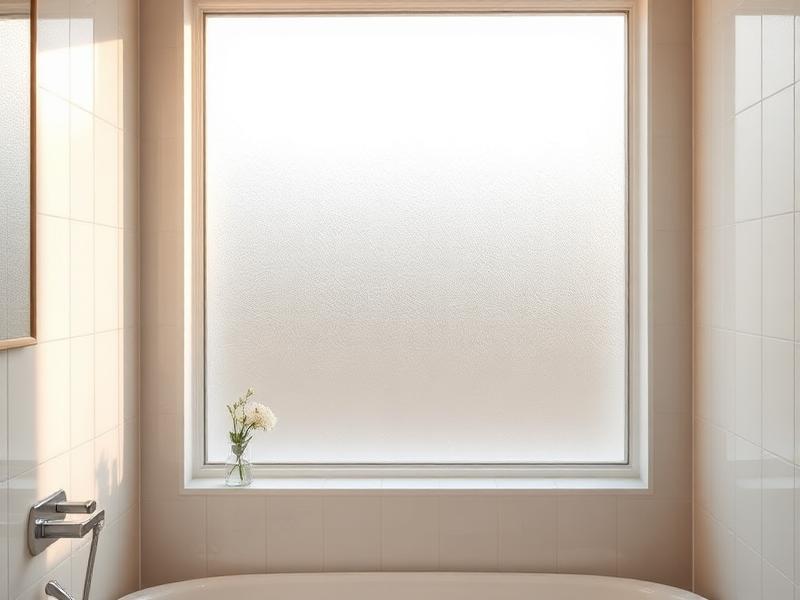
Decorative Film
Frosted, patterned, and custom film for privacy with style.
Learn More
Window Film Viewer
See what each film looks like on your windows before you decide.
Learn MoreReady to Cool Down Your Home?
Free on-site energy assessments across Orange County and Los Angeles County.