

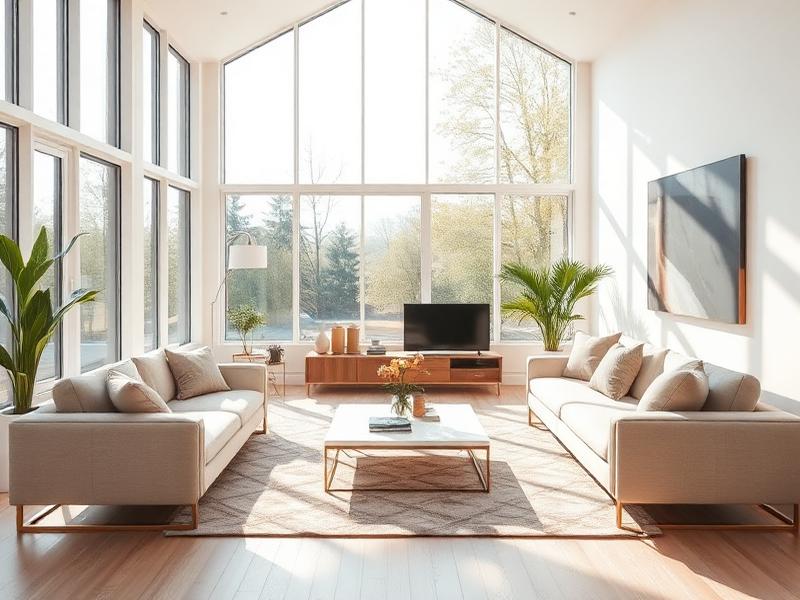
Residential Window Film
13 minute readProfessional Home Window Tinting in Southern California
Protect your interior, cut energy costs, and add daytime privacy with 3M and LLumar architectural film — installed by Orange County and LA County's certified residential team.
Everything You Need to Know
Click any section below to jump straight to what you need — no scrolling required.
Core Benefits
What professional home film actually does.
Jump to Section 02Residential Film Series
Three performance tiers for every home.
Jump to Section 03Understanding SHGC & VLT
Find your perfect shade with real numbers.
Jump to Section 04The TWT Installation Standard
Our four-step residential install process.
Jump to Section 05California Compliance
Title 24, HOAs, glare, and safety glass.
Jump to Section 06Lifetime Warranty
Manufacturer, glass, and craftsmanship coverage.
Jump to Section 07After-Care Guide
Curing, cleaning, and long-term care.
Jump to Section 08FAQs
Straight answers to the questions we hear most.
Jump to SectionThe Core Benefits of Professional Home Tinting
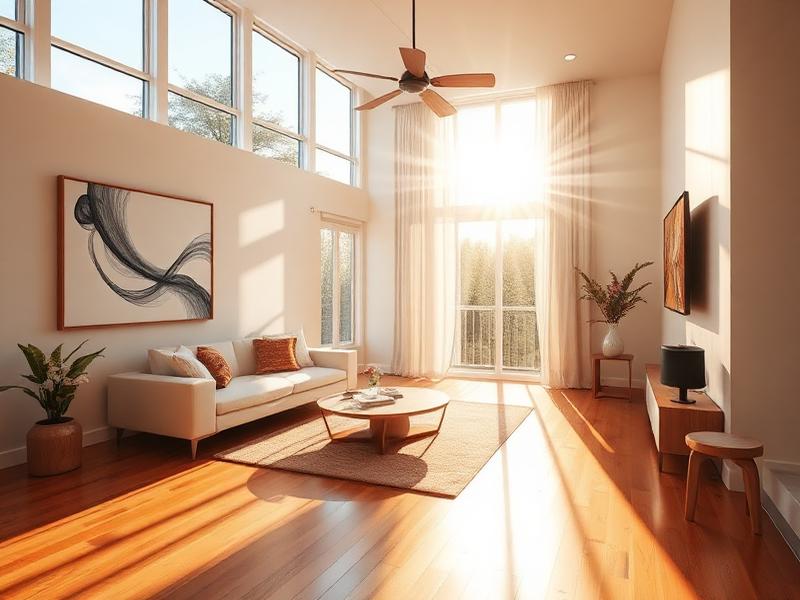
99.9% UV Protection
Standard glass allows UVA and UVB rays to flood your living space — the primary cause of sun-bleached hardwood floors, upholstery, and artwork. Professional-grade film blocks 99.9% of UV rays, protecting your interior and your family's skin health.
Get a Free Quote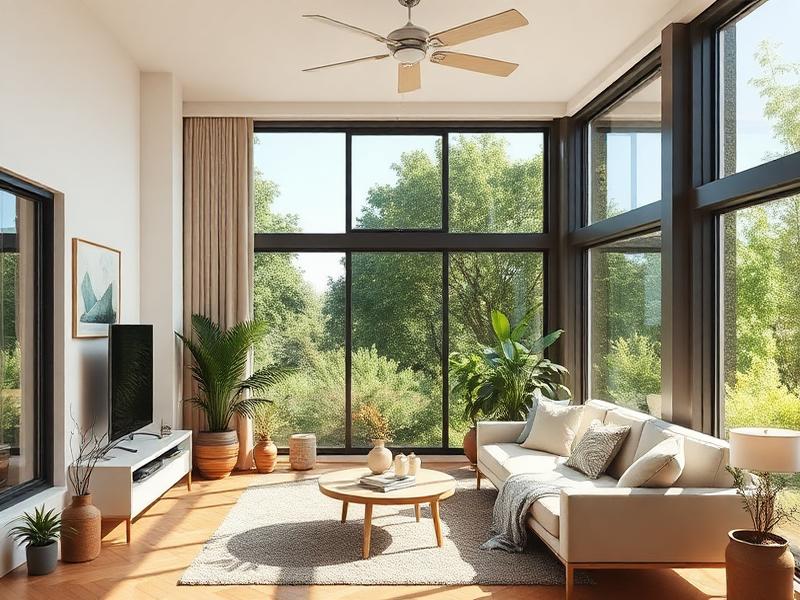
Advanced Heat Reduction & Energy Efficiency
Windows account for a significant share of a home's cooling energy loss. By rejecting solar heat before it enters your rooms, film lowers your cooling load, keeps your home more consistently comfortable, and reduces how often your A/C has to run.
Get a Free Quote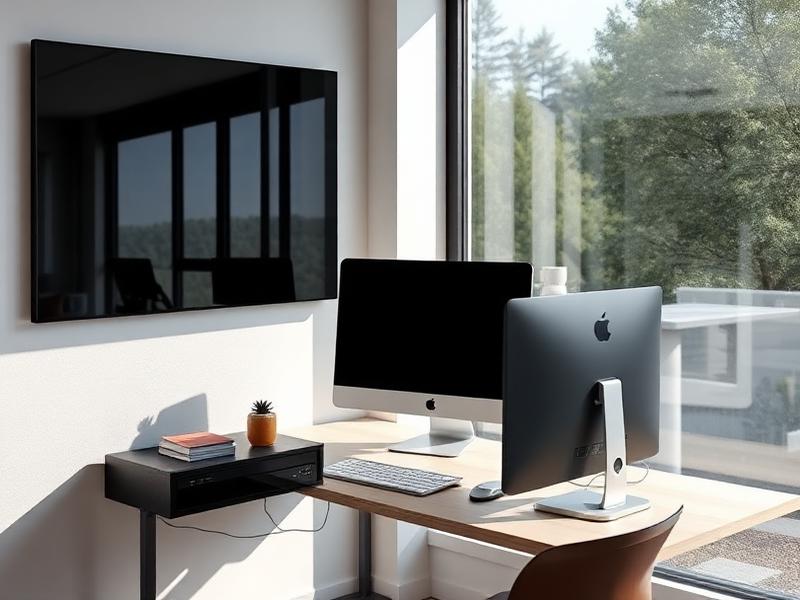
Total Glare Control
Eliminate the harsh white-out effect on computer screens and TVs without living in darkness. Enjoy your view and natural light while working or relaxing, minus the eye strain.
Get a Free Quote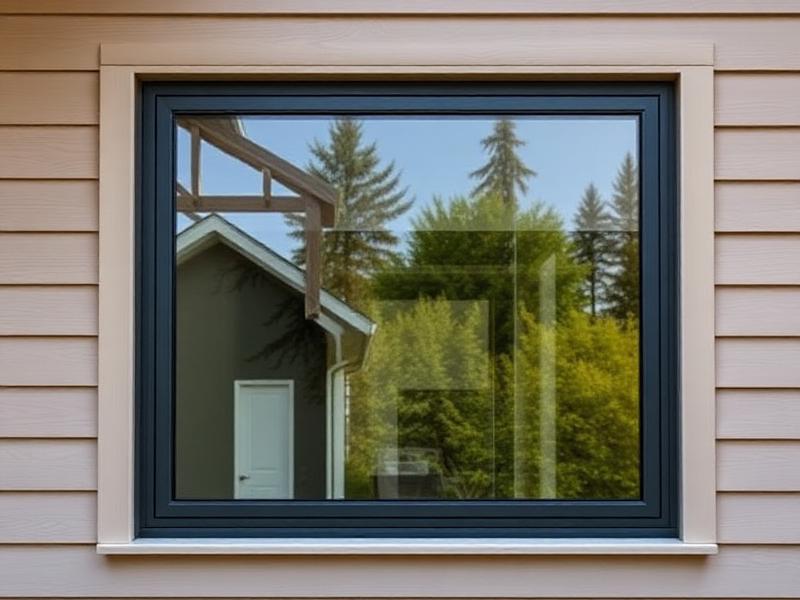
Privacy & Security
Daytime privacy that curtains can't match — see out clearly while preventing prying eyes from looking in. Security-grade film adds a shatter-resistant barrier that holds glass together during an attempted break-in or earthquake. Residential Security Film
Get a Free QuoteResidential Film Series
Three tiers of architectural film, from balanced everyday performance to the elite nano-ceramic shield.
Solar Neutral & Night Vision Series
Balanced heat rejection & enhanced views
- Infrared heat block
- 50–70%
- Appearance
- Soft charcoal / smoke aesthetic
- Key benefit
- Significantly reduces white-out glare on screens
Dual-Reflective Series
Maximum heat rejection + daytime privacy
- Infrared heat block
- 75–85%
- Appearance
- Polished exterior, clear high-definition interior
- Key benefit
- One-way daytime privacy — nearly impossible to see in
Prestige Nano-Ceramic Series
Built for historic homes, HOAs, and high-end custom glass
- Infrared heat block
- 90–97%
- Appearance
- Optically clear to rich graphite tint
- Key benefit
- Meets strict Title 24 efficiency standards without changing your home's look
Understanding SHGC & VLT
Two numbers decide how your glass performs: how much solar heat it lets through, and how much light you keep.
SHGC — Solar Heat Gain Coefficient
SHGC (Solar Heat Gain Coefficient) measures how much of the sun's heat passes through your glass — the lower the number, the less heat enters the room. California's Title 24 energy code, updated for 2026, requires new and replacement windows in most Southern California climate zones to meet an SHGC of 0.23 or lower. Window film doesn't carry a Title 24 certification the way a manufactured replacement window does, but professional film can meaningfully improve your existing glass's performance toward that same target — a practical middle ground between doing nothing and a full window replacement.
VLT — Visible Light Transmission
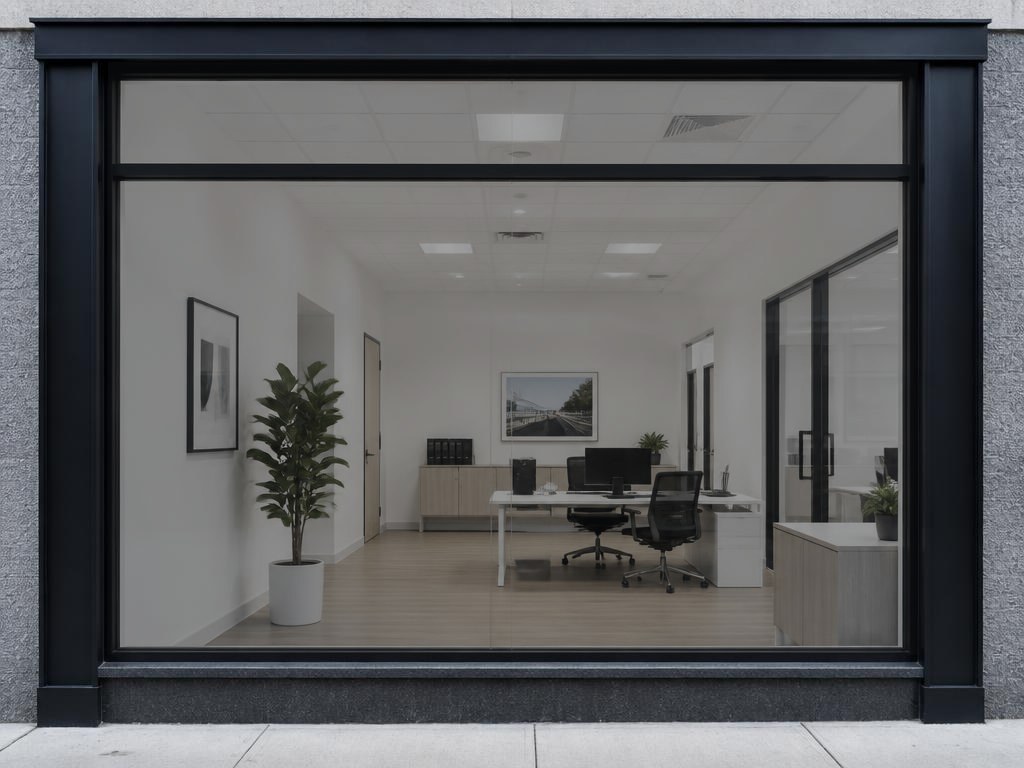
VLT is the percentage of visible light the film lets through. A 70% VLT film looks almost like untreated glass; a 5% VLT film is a true limo shade. Heat rejection and VLT are not the same thing — modern ceramic films can block a great deal of heat while staying light.
Want the deeper explainer — TSER, Title 24 climate zones, and film-vs-replacement payback math? Read our Energy Savings Guide.
 35% VLT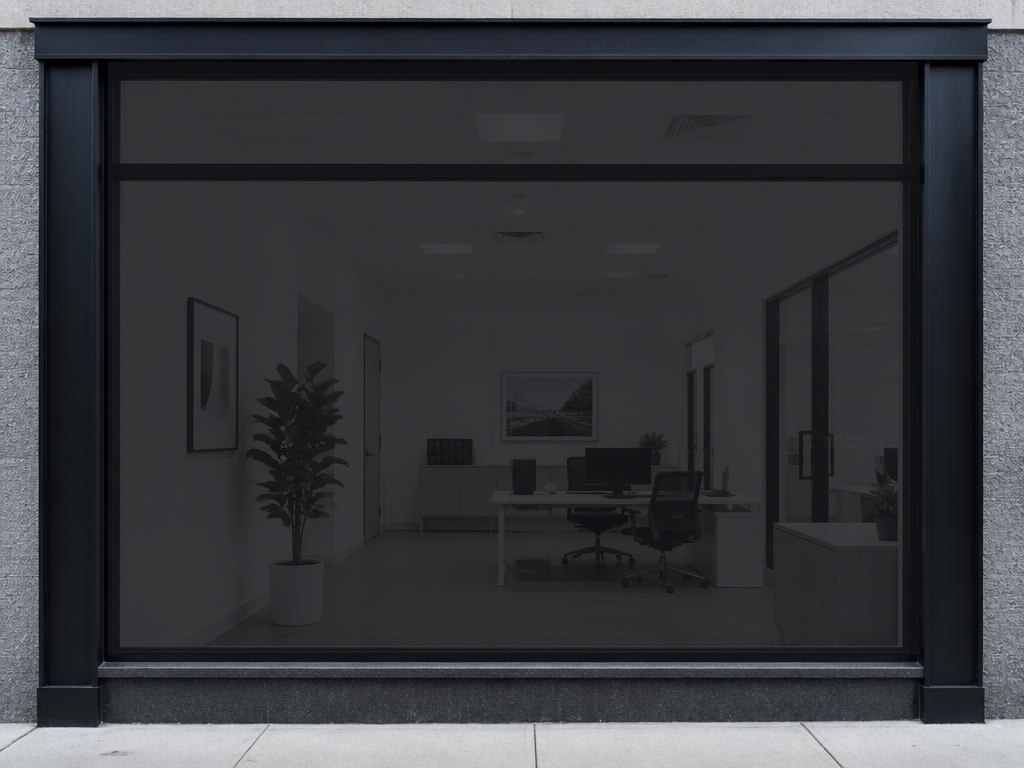
“Balanced Neutral” Smoke
Medium-tone film striking the balance between light and shade. Cuts incoming visible light significantly, directly reducing screen washout and eye strain. Our most popular tier for home offices, with a smoked-glass aesthetic and moderate daytime privacy.Best for: Home offices, living rooms with large screens, west-facing windows
Every tier is the same scene, shot under the same daylight, so the difference you see is the film — not the lighting.
The TWT Residential Installation Standard
Four stages, every home, every time — the reason our film still looks right a decade later.
Environment Preparation & Property Protection
Heavy-duty drop cloths and waterproof barriers protect hardwood floors, carpets, and furniture. Moisture-absorbing soak ropes are tucked into window sills to prevent mounting solution from seeping into drywall, wood frames, or home automation sensors.
Multi-Stage Glass Decontamination
A three-step process: mechanical scraping with surgical-grade blades to remove paint overspray and debris, chemical degreasing to strip oils and residue, and gasket detailing to deep-clean rubber seals and tracks.
Architectural Precision Trimming
Unlike pre-cut automotive film, residential windows require hand-finished precision to account for house settling and frame variance. Film is trimmed within a fraction of an inch of the frame using fresh blades for every window, eliminating light gaps and jagged edges.
Thermal Bonding & Final Inspection
Multi-stage squeegees evacuate mounting solution, a perimeter heat-set locks the adhesive, and a final inspection under high-lumen lighting checks for optical clarity, alignment, and adhesion.
California Residential Window Film Law
What actually governs film on a California home — energy code, HOA rules, glare liability, and safety glass.
California Title 24 Energy Code
California's 2026 Title 24 energy code requires an SHGC of 0.23 or lower and a U-factor of 0.30 or lower for new and replacement windows in most Southern California climate zones. This standard applies to manufactured, NFRC-rated windows — it doesn't certify window film in the same way. What film does offer is a lower-cost way to meaningfully improve your existing glass's heat performance without a full window replacement.
HOA Rules & Aesthetic Uniformity
State law is lenient on residential window darkness, but HOAs often govern exterior appearance. Neutral and spectrally selective ceramic films are designed to be virtually invisible from the curb — the top choice for HOA-governed communities.
The “Nuisance” Glare Clause
California civil law can hold a homeowner liable if highly reflective tint creates a private nuisance by bouncing sunlight into a neighbor's windows or a public roadway. Dual-reflective technology directs heat away without the blinding external glare of older, cheaper films.
Safety Glass & Building Codes
Certain hazardous locations — near doors, stairs, and bathrooms — require safety glass under building code. Certified security film can bring older annealed glass up to impact standards without full glass replacement.
This section is general information, not legal advice. Code requirements vary by climate zone and jurisdiction — we confirm what applies to your property at your free estimate.
The TWT Warranty
Three layers of coverage: the manufacturer's, your glass, and our own workmanship.
Manufacturer's Limited Lifetime Warranty
As an authorized 3M and LLumar dealer, every residential film install carries a manufacturer-backed lifetime warranty for as long as the original purchaser owns the home: no purpling or fading, adhesive integrity coverage against bubbling or peeling, and free labor and materials in the rare event of a product defect.
Glass Protection Coverage
Coverage against thermal shock fractures caused specifically by film application, plus seal failure coverage for dual-pane windows still under their original manufacturer's warranty. Exact coverage terms are confirmed in writing on your estimate.
The TWT Craftsmanship Guarantee
Zero-gap fit with no light gaps or jagged edges, guaranteed non-interference with WiFi and security sensors thanks to 100% non-metallic ceramic film, and transferable warranty options that can increase resale value.
The Residential After-Care Guide
Three simple rules keep your film flawless for decades.
The Curing Period
Residential glass is thicker than automotive glass and often dual-paned, so moisture used during installation takes longer to evaporate. Avoid cleaning the interior filmed side for several weeks post-installation. Slight cloudiness or small water pockets immediately after install are normal — not air bubbles — and will clear naturally as the film fully bonds.
Cleaning: Ammonia-Free Only
Once cured, avoid traditional ammonia-based glass cleaners, which can degrade the scratch-resistant coating and weaken adhesive. Use ammonia-free solutions or a simple mix of mild dish soap and water.
Microfiber Only
Use a clean microfiber cloth for washing and drying. Paper towels are abrasive over time and can create fine scratches. Never use razor blades, plastic scrapers, or abrasive sponges.
Residential Frequently Asked Questions
Answers Before You Commit
Is it legal to tint my house windows in California?
Yes. California's tint darkness restrictions apply to vehicle glass, not architectural glass. Homes can use any shade of film, including fully reflective and blackout products. The practical limits come from HOA appearance rules and nuisance-glare considerations, not the vehicle code.
Will window film harm my indoor houseplants?
Most houseplants adapt well. Film reduces UV and infrared energy but still transmits the visible light plants use for photosynthesis. Light-sensitive or flowering plants may need a few weeks to adjust, and we generally recommend a higher-VLT film for rooms built around a plant collection.
Does window film qualify for any tax credits?
Energy-efficiency incentives for insulating window film have existed at both the federal and utility level, but program status and amounts change. We'll tell you what's currently available in your area at your estimate — and we recommend confirming eligibility with your tax professional before you rely on any credit.
Can I use automotive window tint on my home windows?
No. Automotive film is engineered for thin, curved, tempered glass. Residential glass is thicker, flat, and frequently dual-paned, where the wrong film can trap heat between panes and cause thermal stress or seal failure. Architectural film is a different product with different adhesives and warranties.
How does window film help with Title 24 compliance?
Title 24 applies to alterations of existing glazing, not just new construction. Solar control film lowers a window's solar heat gain coefficient, which can bring older glass into the required performance range as a retrofit rather than a full window replacement.
Will window tinting make my home too dark?
Not unless you want it to. Spectrally selective ceramic films reject the majority of solar heat while staying nearly invisible. We'll show you samples on your own glass during the free estimate so you can see the exact shade before committing.
Can film be installed on Low-E or dual-pane windows?
Yes, with the correct product. Low-E and dual-pane assemblies require films matched to the glass type to stay inside the manufacturer's thermal-stress guidelines. We identify your glass makeup on-site and spec accordingly, which is what keeps your warranty intact.
How long does residential installation take?
A few rooms usually take 2–4 hours. A whole home is typically a single day. We protect the work area, install, and clean up completely before we leave.
Does window film provide privacy at night?
Standard reflective and dual-reflective films provide one-way privacy in daylight only, because privacy depends on the brighter side of the glass. After dark, with interior lights on, the effect reverses. For round-the-clock privacy we recommend frosted or decorative film, or pairing tint with blinds in bedrooms.
How long will the film last, and is it hard to maintain?
Quality residential film routinely lasts decades and is covered by a manufacturer lifetime warranty for as long as you own the home. Maintenance is simply ammonia-free cleaner and a microfiber cloth.
Related Residential Services
Solar & Privacy Window Film
Natural light without the heat or the neighbors looking in.
Learn More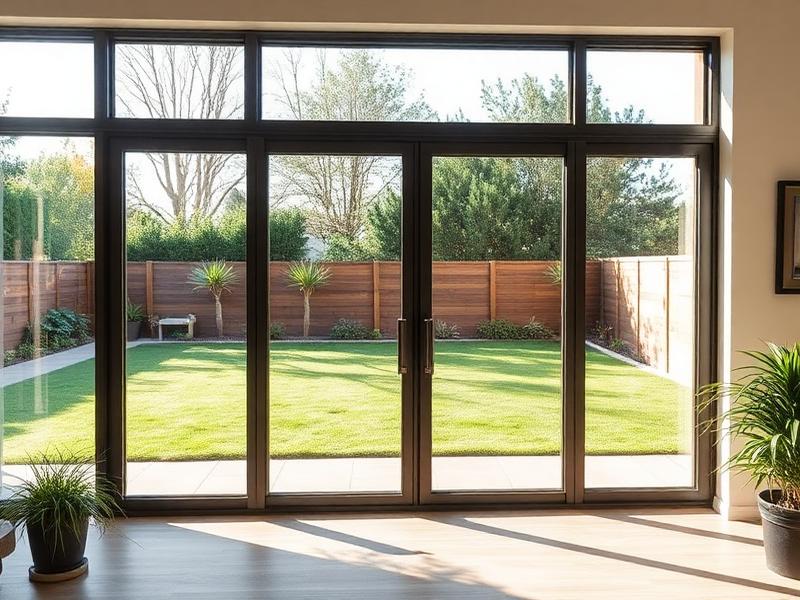
Residential Security Film
Reinforce sliding doors and ground-floor windows.
Learn More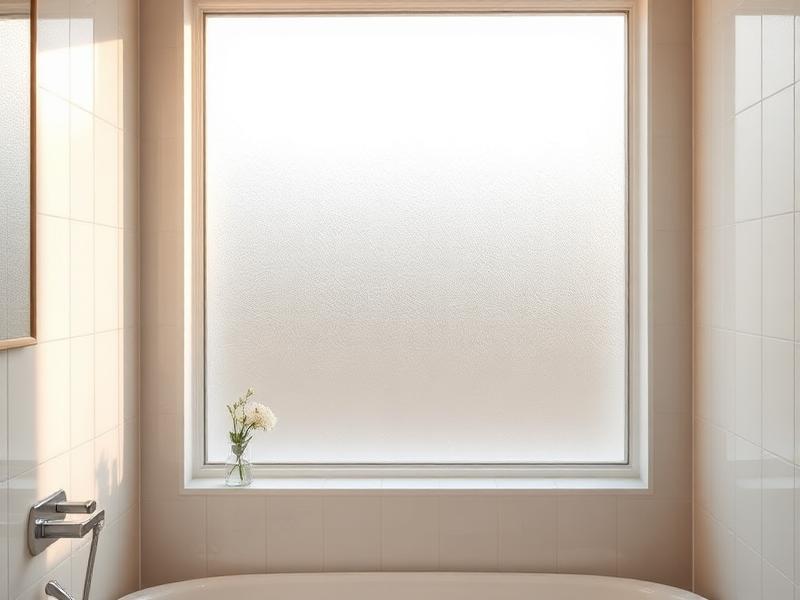
Decorative Film
Frosted and patterned film for baths, offices, and glass doors.
Learn More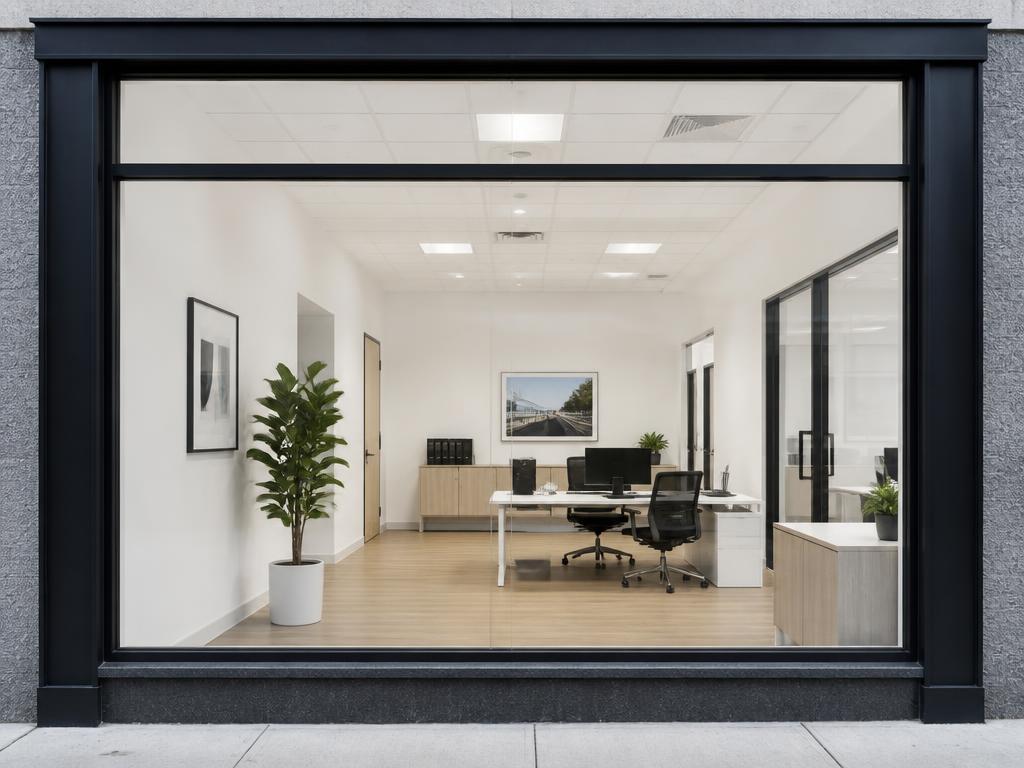
All Residential Services
Compare every home film option we install.
Learn MoreReady to Protect Your Home?
Free on-site estimates across Orange County and Los Angeles County.