

Commercial Window Film
School Safety & Security Window Film
Shatter-resistant film that delays forced entry and buys critical time for students, staff, and first responders — as part of a layered campus security plan.
Everything You Need to Know
Click any section below to jump straight to what you need.
Why Schools Choose It
What security film does — and what it doesn't.
Jump to Section 02Detect, Delay, Respond
Where film sits in the CISA framework.
Jump to Section 03Priority Areas on Campus
Where to spend the first dollar.
Jump to Section 04Film Specifications
Thickness, anchoring, and honest limits.
Jump to Section 05Installation Standard
Scheduled around the academic calendar.
Jump to Section 06FAQs
Straight answers for districts and facilities teams.
Jump to SectionWhy Schools Choose Security Film
The honest version, before the sales pitch.
Security film is not bulletproof, and no responsible installer should claim otherwise. What it reliably does is delay forced entry through glass — turning a single kick or strike into a repeated, time-consuming effort — and contain shattered glass instead of letting it scatter as a secondary hazard. That delay is the entire point: it buys time for lockdown procedures and first responder arrival.
That framing matters because a district buying film under the impression it stops bullets is buying the wrong thing for the wrong reason. Buying it as a delay and containment layer inside a broader plan is buying exactly what it's good at.
Filmed glass also solves a quieter problem: in any breakage event — accidental, weather-driven, or intentional — glass held together by film doesn't become airborne fragments in a room full of children.
"Detect, Delay, Respond"
Where window film actually sits in a campus security plan.
The Cybersecurity and Infrastructure Security Agency (CISA) frames school physical security around three layers: detecting threats early through access control and monitoring, delaying intruders long enough for protective measures to activate, and supporting an effective response.
Window security film sits squarely in the "delay" layer — it's one component of a layered plan, not a standalone solution. Detection still depends on your access control, cameras, and staff awareness. Response still depends on your lockdown procedures and law enforcement coordination.
What film contributes is time, at the exact place a plan is most likely to fail: the pane of glass next to a locked door.
Priority Areas on Campus
Phased hardening, in the order that returns the most protection per budget cycle.
Main Entrances & Vestibules
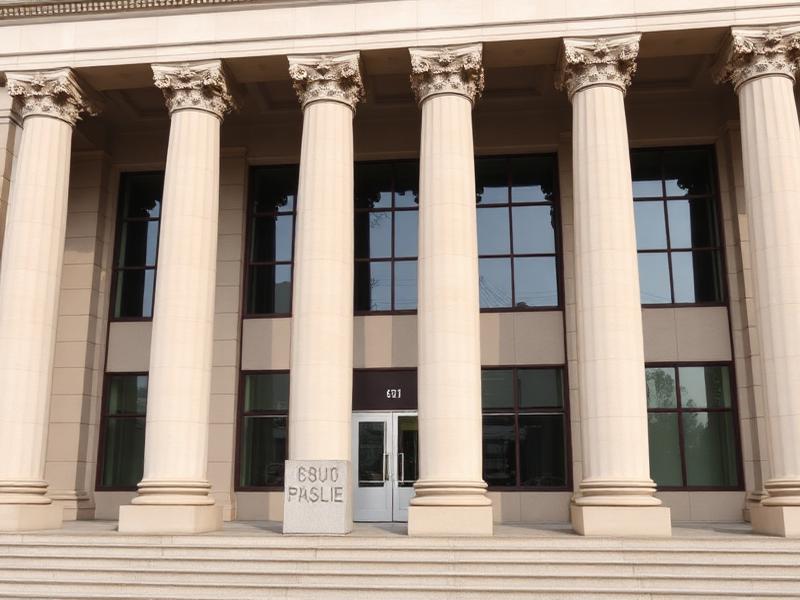
The highest priority and the first point of forced entry on nearly every campus. Entry glass and adjacent sidelights are where anchored film delivers the most meaningful delay per dollar.
Get a Free Quote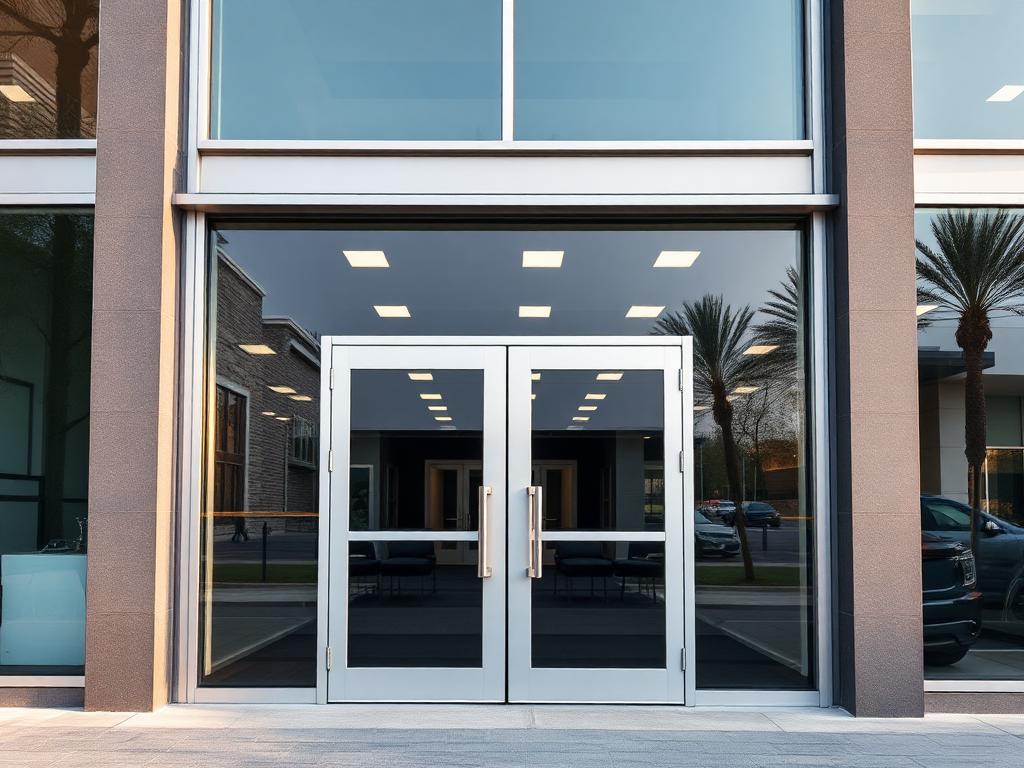
Classroom Door Vision Panels
Narrow vision panels and door sidelights are small, cheap to treat, and the exact glass an intruder targets to reach an interior lock. Filming them campus-wide is usually the best-value line item in a hardening plan.
Get a Free Quote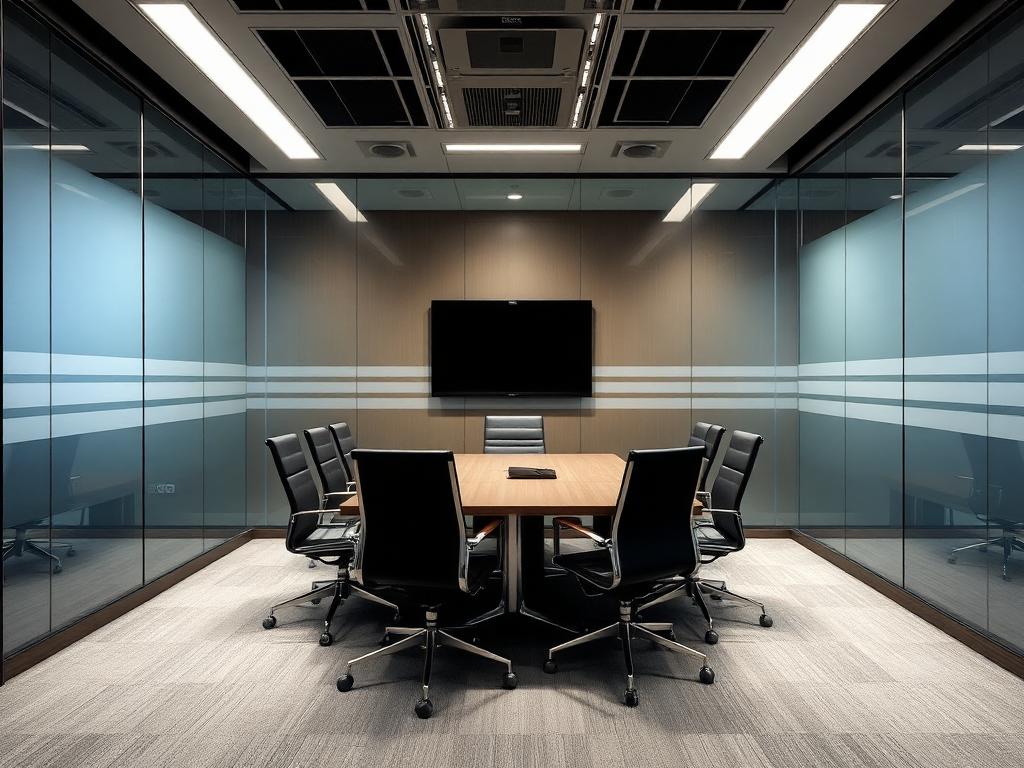
Front Office & Administrative Glass
Administrative offices hold staff, students, and records, and they typically sit immediately inside the main entry. Treated glass keeps that area intact while lockdown procedures activate.
Get a Free Quote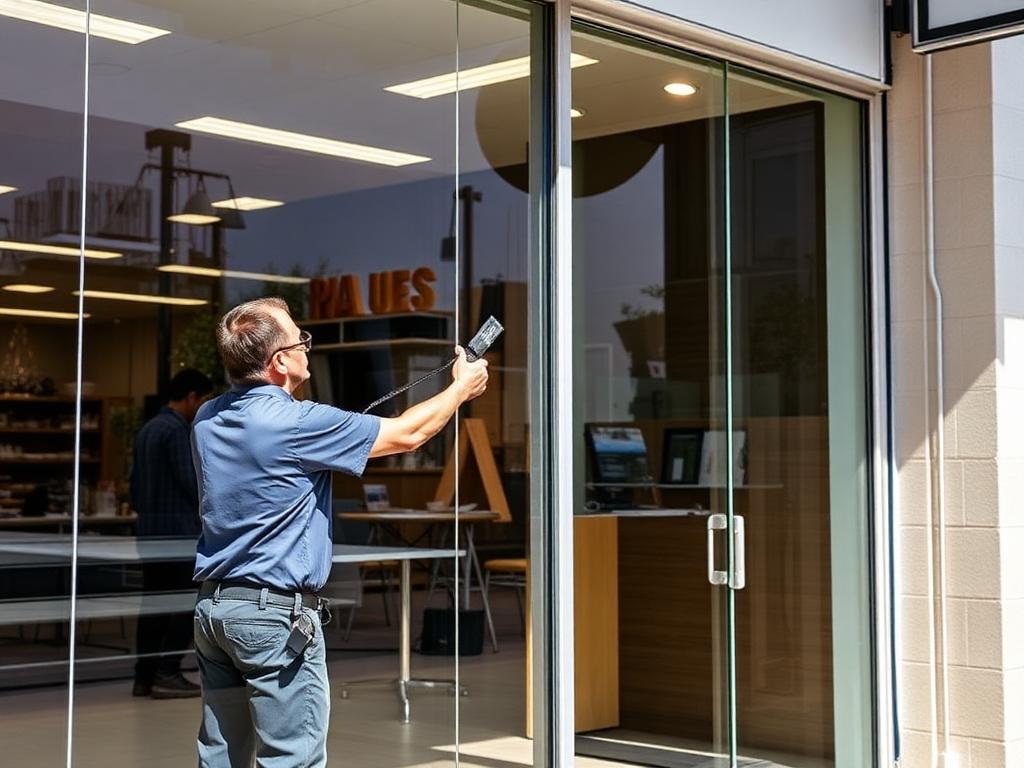
Ground-Floor Exterior Windows
Any ground-floor glazing reachable from a parking lot, field, or unsupervised walkway. These are secondary targets but they're where perimeter hardening either holds or doesn't.
Get a Free QuoteFilm Specifications
What the spec sheet says, and what it doesn't.
8–14 Mil Film Thickness
Standard security film thickness for school applications typically runs 8 to 14 mil. Thicker film holds shattered glass together more effectively, but thickness alone is not what produces forced-entry delay.
Edge Anchoring Is the Real Variable
Film is paired with a wet-glaze structural sealant or a mechanical attachment system at the frame. The anchoring — not just the film thickness — is what actually creates meaningful forced-entry delay, because unanchored film simply pops out of the frame as a sheet.
Glass-Retention Behavior
On impact, filmed glass fractures but stays bonded to the film rather than scattering. That removes the secondary-hazard problem of flying glass in a classroom and forces an intruder into repeated, sustained effort.
No Invented Delay Figures
We won't quote you a specific time-delay number unless it's tied to a tested, certified product spec sheet for the exact film and anchoring system being installed. If a vendor gives you a confident number with no test data behind it, ask for the certification. See our commercial security film page for how the same standard applies to retail glazing.
The TWT School Installation Standard
Four steps we don't skip — scheduled so no classroom loses a day.
Site Prep & Sequencing
We walk the campus with your facilities lead, map glazing by priority, and produce a written sequencing plan by building and wing so nothing is filmed out of order.
Glass Decontamination
Every pane is scraped, flooded, and squeegeed clean. Contaminated glass is the leading cause of edge lift and bubbling — and on an anchored security install, edge integrity is the whole point.
Precision Trim & Anchoring
Film is cut to the daylight opening and the specified wet-glaze or mechanical anchor is applied at the frame so the glazing behaves as a bonded system rather than a filmed sheet.
Inspection & Academic-Calendar Scheduling
Each pane is inspected against a punch list before handoff. Work is scheduled around the academic calendar — summer break, weekends, and after-hours — so no classroom loses instructional time.
FAQs
School Security Film Questions
Is security film bulletproof?
No. Security film is not bulletproof, and no responsible installer should tell you otherwise. What it does is delay forced entry through glass and contain shattered glass so it doesn't scatter into a room.
How does security film fit into a broader school safety plan?
It's one component of a layered plan. Film sits in the 'delay' layer — it buys time for lockdown procedures and first responder arrival. It works alongside access control, monitoring, communication systems, and staff training, not instead of them.
Which areas of a campus should be prioritized first?
Main entrances and vestibules first, then classroom door vision panels and sidelights, then front office and administrative glass, then ground-floor windows facing exterior access. Most districts phase the work in that order across budget cycles.
Can this be funded through school safety grants?
Some school safety and facility hardening grants may cover physical security improvements like window film — check with your district's facilities or safety office about current state and federal funding opportunities. We don't administer grants, but we can provide product specifications, test documentation, and written quotes to support an application.
Will installation disrupt the school day?
It doesn't have to. We schedule around your academic calendar and work summer break, weekends, and after-hours by default. Occupied-campus work is done wing by wing on a written sequencing plan.
How long does a full campus installation take?
It depends on glazing count and how much of it is anchored. A single building's priority glazing is often a few days; a full multi-building campus is typically phased across a summer or several weekend blocks. We give you a schedule with the proposal.
Does this replace the need for other security measures?
No. Film is a delay layer, not a security program. It's most effective when paired with access control, monitoring, clear lockdown procedures, and staff training — the layered approach is what actually works.
How is this different from film used in offices or homes?
Thickness and anchoring. Residential and standard commercial film is often 4–8 mil and applied without frame anchoring. School applications typically run 8–14 mil with a wet-glaze or mechanical anchoring system, which is what turns filmed glass into a genuine delay element.
Related Commercial Services

Harden Your Campus Glazing
Free on-site assessment, glazing survey, and written proposal across Orange County and Los Angeles County.